Zantac Lawsuit


Researching drug company and regulatory malfeasance for over 16 years
Humanist, humorist
Showing posts with label Boehringer Ingelheim. Show all posts

Saturday, September 17, 2022

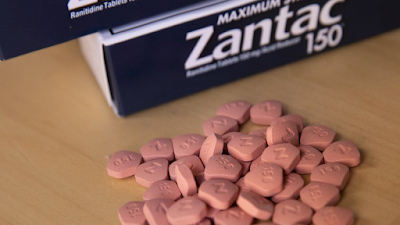
Zantac - The Heartburn Medication on Trial


There's been much talk about the popular heartburn medication, Zantac (ranitidine) causing cancer after independent laboratory testing found that one ranitidine 150 mg tablet produced 304,500 nanograms (ng) of a cancer-causing substance called N-Nitrosodimethylamine (NDMA), an amount that greatly exceeds the U.S. Food and Drug Administration’s (FDA) daily acceptable intake limit of 96 ng.

After learning this, the FDA, in April 2020, requested Zantac be removed from the market.

Zantac is manufactured by many pharmaceutical companies, several of whom have recalled it, citing "safety concerns."

The following types of cancers have developed in some people who took the Zantac:

Bladder cancer

Esophageal cancer

Gastric cancer / stomach cancer

Liver cancer

Pancreatic cancer

Prostate cancer

Breast cancer

Lung cancer

Colon cancer

On September 15, 2022 , Baum Hedlund Aristei & Goldman, attorneys headquartered in Los Angeles, California, filed Zantac lawsuits on behalf of thousands of people throughout the country who allege exposure to ranitidine causes cancer. The filing of 88 complaints on behalf of 7,291 claimants is one of the largest on behalf of Zantac cancer victims in 2022.

Allegations against the defendants, namely, GlaxoSmithKline (GSK), Pfizer Inc, Patheon Manufacturing Services LLC, Boehringer Ingelheim, and Sanofi, include:

Failure to Warn 

Manufacturing Defect 

Negligent Product Design

Negligent Manufacturing

Negligent Misrepresentation

Baum Hedlund's press release states, "...the defendants knew that Zantac (ranitidine) could degrade into a potent human carcinogen, NDMA, in the regular course of transport and storage, and within the human body, but failed to take any action to prevent consumers from being exposed." Furthermore, they add, "...lawsuits maintain that Zantac’s manufacturers made billions selling a product they knew posed an unreasonable risk to consumers. If the drug manufacturers had disclosed and disseminated the cancer risks associated with Zantac and OTC ranitidine products, the plaintiffs say they could have avoided the risk of developing cancer by instead using alternative medications that do not pose the same risk."

Baum Hedlund's Brent Wisner also said, he believes the defendants in the Zantac litigation “deliberately misled consumers because they knew that full disclosure of Zantac’s risks would limit the amount of money they could make selling the drugs.” Adding, "They
 knew that concealing the truth would protect profits. Their deception led to an epidemic of cancer in this country, and we intend to hold them accountable.”

History shows that, between them, the defendants, above, have made settlements for various violations over the years of more than 20 billion dollars. Pfizer top that list with fines/settlements of over 10 billion dollars whilst GSK run a close second with fines/settlements of over 8 billion dollars.

It remains to be seen if those figures will be increased during or after these Zantac lawsuits.


Bob Fiddaman


Saturday, April 04, 2020

Zantac (Ranitidine): The Heartburn Carcinogen


Earlier this week the US Food and Drug Administration (FDA) requested that manufacturers pull all prescription and over-the-counter ranitidine drugs, known by the brand name Zantac, from the market immediately. Zantac was given US approval in the early 1980s.

The FDA has determined that levels of  N-nitrosodimethylamine (NDMA) in the heartburn medications increase over time and when stored at higher-than-normal temperatures, pose a risk to public health.

According to the FDA's announcement, letters are now being sent to all manufacturers of ranitidine requesting that they withdraw products from the market, and consumers are advised to stop taking any ranitidine tablets or liquid medications they currently have. As a result of this immediate market withdrawal request, writes the FDA, ranitidine products will not be available for new or existing prescriptions or over-the-counter (OTC) use in the U.S.

Sanofi, one of the companies that produces the Zantac brand, stopped doing so in October. It said in a statement that “We take this issue seriously and continue to work closely with the F.D.A. to evaluate any potential safety risks associated with Zantac.”

Ranitidine was launched in the UK in 1995 as an OTC product. At the time the recommended dosage of the product was one tablet, although if symptoms persisted for more than one hour another tablet could be taken. Consumers were told, "the maximum recommended daily dose is four tablets."

The British drug regulator, the MHRA, is not following in the footsteps of their American counterparts. In October last year, they stated, "the health risk of discontinuing the medicine is higher than the potential risk presented by the contaminant N-nitrosodimethylamine."

Los Angeles trial lawyers, Baum Hedlund Aristei & Goldman, PC, who are in the process of filing lawsuits, state on their website, "Mounting evidence allegedly shows that Sanofi and Boehringer Ingelheim, the big pharma companies that make Zantac (ranitidine hydrochloride), concealed the Zantac cancer link from millions of people who took the drug for heartburn, gastric and duodenal ulcers, gastroesophageal reflux disease (GERD), sour stomach, Barrett’s esophagus, acid reflux, and other issues. This deception came as the companies made unprecedented profits from Zantac, the first drug to generate $1 billion in sales."

Baum, Hedlund, Aristei & Goldman attorney R. Brent Wisner discusses the latest revelations surrounding the popular drug Zantac (ranitidine). How did the FDA find out about the link between Zantac and cancer? What do Zantac and rocket fuel have in common? Is Zantac causing a cancer epidemic? Wisner answers your Zantac questions in this short video.


If you, or anyone you know, developed cancer after taking Zantac please contact Baum Hedlund here.


Bob Fiddaman


Please contact me if you would like a guest post considered for publication on my blog.