
Zantac Lawsuit


Researching drug company and regulatory malfeasance for over 16 years
Humanist, humorist
Showing posts with label COVID19. Show all posts

Friday, March 25, 2022

NEJM's Data Deceivers


NEJM states: "Our mission is to publish the best research and information at the intersection of biomedical science and clinical practice and to present this information in understandable, clinically useful formats that inform health care practice and improve patient outcomes."

Effective mission statements are supposed to be succinct, I presume NEJM chose to omit the other relevant sentence readers would want to understand, which is: "We don't care where the data comes from as long as it supports our chosen narratives."

de·ceiver

a person who causes someone to believe something that is not true, typically in order to gain some personal advantage.

New England Journal of Medicine (NEJM)
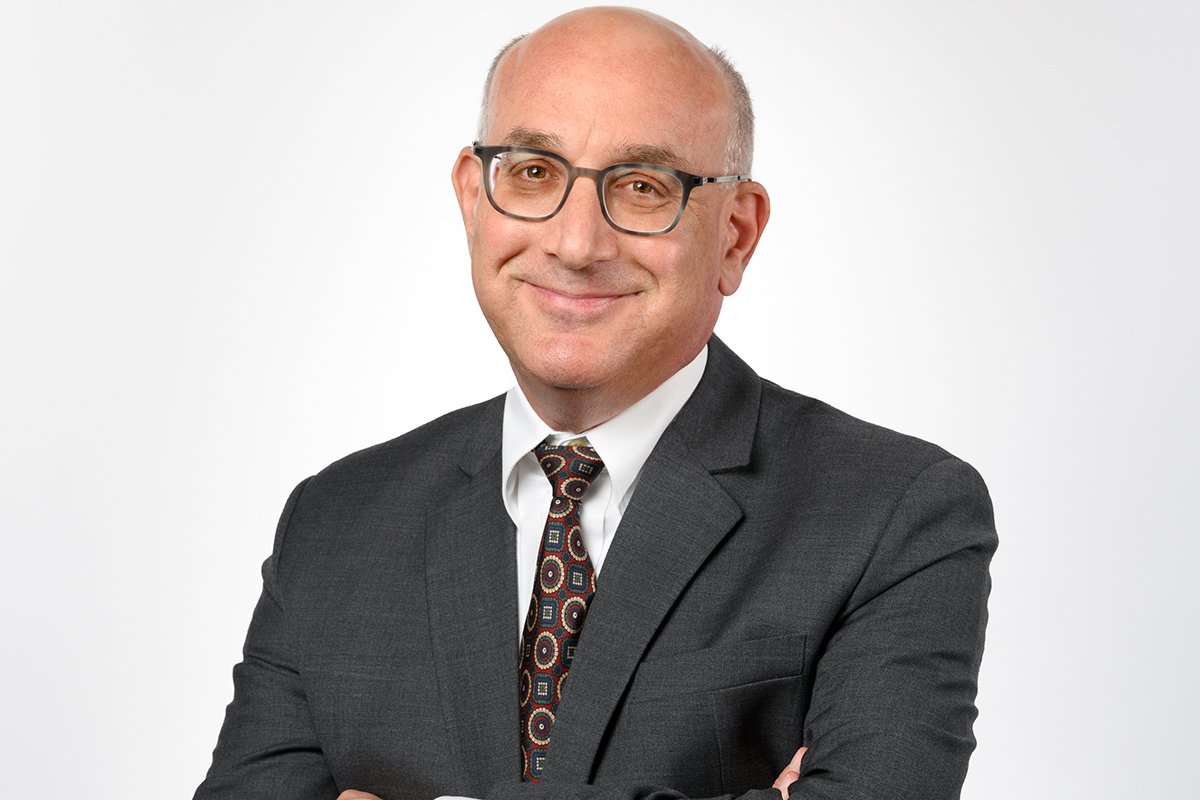
Eric Rubin, NEJM editor-in-chief

There have been nine editors-in-chief from 1921 to the present at the New England Journal of Medicine (NEJM). The current editor-in-chief is Eric Rubin, the former chair of Harvard T.H. Chan School of Public Health's Department of Immunology and Infectious Diseases. (Immunology is the study of the immune system.) Before Rubin, NEJM's editors-in-chief was Jeffrey M. Drazen, an asthma and lung disease expert. Aside from Rubin, no NEJM editor-in-chief has had a background in Immunology and Infectious Diseases. 

The Boston Tea Party (Outsiders rarely invited)

Rubin was selected after a NEJM "international" committee conducted a global search. The committee was chaired by Dr. Lynda Young, past president of the Massachusetts Medical Society. Dr. Beverly Woo, of the Department of Medicine at Brigham and Women's Hospital and a faculty member at Harvard Medical School, served as vice-chair. Other committee members were:

Dr. Alain Chaoui, FAAFP, President, Massachusetts Medical Society;

Dr. Karen Antman, Dean, Boston University School of Medicine;

Dr. Harris Berman, Dean, Tufts University School of Medicine;

Dr. Edward W. Campion, Executive Editor, the New England Journal of Medicine;

Dr. Lois Dehls Cornell, Executive Vice President, Massachusetts Medical Society;

Dr. George Q. Daley, Dean, Harvard Medical School;

Dr. Jack Evjy, Past-President, Massachusetts Medical Society;

Dr. Terence Flotte, Dean, School of Medicine, UMass Medical School;

Dr. Danny Jacobs, President, Oregon Health and Science University;

Dr. Thomas Lee, Chief Medical Officer, Press Ganey, and NEJM Catalyst Leadership Board Founder;

Dr. Joseph Loscalzo, Chairman of the Department of Medicine, and Physician-in-Chief, Brigham and Women's Hospital;

Dr. Graham McMahon, President and Chief Executive Officer, Accreditation Council for Continuing Medical Education;

Dr. Erika von Mutius, Professor of Pediatric Allergology, Dr. von Hauner Children's Hospital of the University of Munich, Institute for Asthma and Allergy Prevention, Germany;

Dr. John Noseworthy, Chief Executive Officer, Mayo Clinic;

Dr. Chana Sacks, Images Editor, the New England Journal of Medicine, Division of General Internal Medicine, Massachusetts General Hospital, and;

Dr. David Spriggs, Associate Editor, the New England Journal of Medicine, Director of the Gynecologic Oncology Program, Massachusetts General Hospital Cancer Center.

The vast majority of this "international" search committee works in the Boston area.

For historical reference, the first quarterly edition of the New England Journal of Medicine and Surgery and the Collateral Branches of Medical Science (Boston) was published in January 1812. It was a result of a collaboration between John Collins Warren, a Boston physician, and his colleague James Jackson. In 1921, their journal merged with the Boston Medical Intelligencer to become the Boston Medical and Surgical Journal; it also began weekly publication that year and was purchased by the Massachusetts Medical Society.

Rubin became NEJM's editor-in-chief in September 2019, approximately three months before the World Health Organization (WHO) was informed of cases of pneumonia in Wuhan City, China. On January 7, 2020, Chinese authorities identified coronavirus as the cause, and it was temporarily named "2019-nCoV." Rubin's September 2019 appointment as editor-in-chief at the NEJM was quite timely.

Not Long Before Controversy
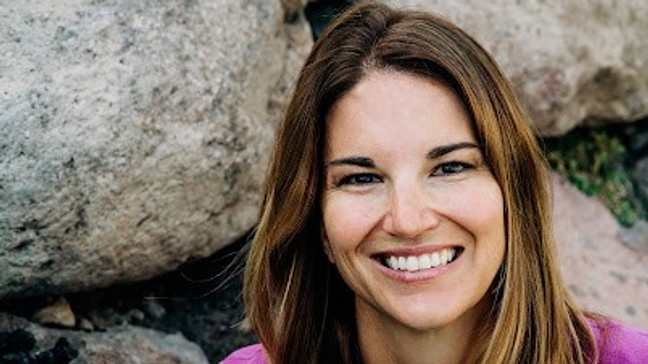
Dressen is a preschool teacher from Saratoga Springs, Utah, who received the Astra Zeneca Covid vaccine during a clinical trial in November 2020. She has since experienced extensive adverse effects from the vaccine

On November 2, 2021, Bri Dressen participated in a US Senate meeting at which issues were raised about coronavirus vaccine harms and related mandates. Dressen was a clinical trial participant for the AstraZeneca COVID-19 vaccine. 

After having just one dose, Dressen experienced adverse effects. The effects were so severe and long-lasting that she had to quit her job as a preschool teacher and hire a nanny to care for her two young children. Here's her testimony.


Dressen followed up her testimony by writing to the NEJM. She felt compelled to do so after reading an article the journal published in September 2021, entitled 'Phase 3 Safety and Efficacy of AZD1222 (ChAdOx1 nCoV-19) Covid-19 Vaccine'

In her initial email, Dressen pointed out the article's inaccuracies. Surprisingly, her email was directly answered by NEJM editor-in-chief Eric Rubin. Rubin told Dressen the NEJM would not publish her letter. He claimed, "The space available for correspondence is very limited, and we must use our judgment to present a representative selection of the material received."

Dressen contacted NEJM because they published inaccurate information that the journal should correct. She did not contact NEJM to request that her letter be published. However, the email exchange between Dressen and Rubin shows Rubin would not address these inaccuracies. Their email exchange can be read here.

Dr. Fernando Polack  is a Specialist in Pediatric Infectious Diseases. His work is funded by the Bill & Melinda Gates Foundation

Dr. Fernando Pedro Polack ~ Mira Vos! Argentina

Polack was the lead author in another NEJM article entitled, 'Safety and Efficacy of the BNT162b2 mRNA Covid-19 Vaccine', the conclusion of which was "A two-dose regimen of BNT162b2 conferred 95% protection against Covid-19 in persons 16 years of age or older. Safety over a median of 2 months was similar to that of other viral vaccines." BioNTech and Pfizer funded the trial.

As Covid hit Argentina, Polack became involved in a trial of immune plasma taken from patients who had recovered from Covid. This plasma was then given to patients who had recently contracted Covid. In May 2020, Polack speculated that this would make Covid like an ordinary cold.

The trial's conclusions boasted a positive outcome, and the results were published  in a February 2021 peer-reviewed article in--you've guessed it--the NEJM. NEJM reviewers concluded, "Early administration of high-titer convalescent plasma against SARS-CoV-2 to mildly ill infected older adults reduced the progression of Covid-19."

BioNTech or Pfizer didn't fund this trial; The Bill and Melinda Gates Foundation funded it.

A subsequent systematic review and meta-analysis published in The Journal of the American Medical Association (JAMA) didn't agree with Polack and the NEJM reviewers. They cited, "Treatment with convalescent plasma compared with placebo or standard of care was not significantly associated with a decrease in all-cause mortality or any benefit for other clinical outcomes. The certainty of the evidence was low to moderate for all-cause mortality and low for other outcomes."

Who is Dr. Fernando Pedro Polack?

Take a step into the unknown and read Fishy Business in the Rio de la Plata, an article by Prof.David Healy, Psychopharmacologist, Scientist and Author.

Who are NEJM's Reviewers?

This is a list of people who served as NEJM's reviewers between January and June 2021. Readers of medical journals should be aware that these reviewers, like most--if not all--reviewers, are reviewing ghostwritten material and have never seen the raw data from clinical trials. Many reviewers are probably still unaware that the material they review is written by pharmaceutical companies or PR companies hired by pharmaceutical companies. Further, if some reviewers are aware, or made aware, of these data sources, it's likely they do not care.

Are these NEJM reviewers data deceivers who refuse to reveal the truth about the source of the "data" they review? Are they disinterested in reviewing raw data? Are they dispassionate about ensuring the validity of the data they promote? Regardless of the reasons, I contend NEJM reviewers are likely data deceivers because they've been seduced by the financial and professional benefits that come from serving as "prestigious" NEJM reviewers.

If you want to go down the rabbit hole of ghostwriting, I recommend the following introductions, 1, 2, 3

Bob Fiddaman


Wednesday, November 03, 2021

Senator Johnson Expert Panel on Federal Mandates and Injuries


Yesterday's Expert Panel discussion on Federal Vaccine Mandates and Vaccine Injuries can now be viewed in full. It runs at just under 3 hours and 20 minutes.

I grabbed some screenshots that I posted yesterday during the meeting. The full video can be viewed here.


Friday, September 24, 2021

Australia Has Fallen ~ The Videos


Social media, Twitter in particular, has been overwhelmed with Australian citizens uploading videos of over-zealous police officers.

Australian police, it appears, are out in force as many thousands of Australians take to the streets to protest lockdowns, mask-wearing, and the new vaccine mandates which will see thousands of workers lose their jobs if they refuse to have the jab.

If you are naïve enough to think this will never happen in your country, then you are very much mistaken.

The videos should be in one place to remind everyone (including both the vaccinated and unvaccinated) how freedom of choice is being removed. If anything carries a risk, a person should be given a choice.

Here's the videos.

1. Melbourne woman choked by Victoria Police as she resists arrest for not wearing a face mask, this, despite her boyfriend's protestations that she was medically exempt from wearing one.

She was later arrested

**Contains swearing**


2. **Warning Graphic Content**
Flinders Street Station, Melbourne. 
Guy talking to Police.
Officer comes up behind him.
What happens next?


3. Police Officer kicks a man in the face while he is pinned down by several officers. Unsure why this man was pulled over by the cops. But the brutality is horrific. 


4. Standing outside car in cemetery Car Park. There to visit his love ones.

Criminal offence, apparently.


5. Exercising her basic human right. A peaceful protest, causing no harm to anyone. Dragged away with her young child screaming in the background.


6. It's going to get worse. Here's the Premier of Victoria, Daniel Andrews of the Australian Labor Party. Listen to what he says about the 'booster' jabs.


If you decide to share this post on social media, please use the hashtag #AustraliaHasFallen

Bob Fiddaman


Tuesday, December 29, 2020

Apathy is the New Normal


As more people increasingly express their views about the safety and efficacy of the Covid vaccine, we also see more news articles stating the virus has mutated. 

Supposedly, it is more dangerous and infectious. Current speculation is that the UK will soon enter a stricter Tier 5 quarantine. There is also speculation that travel restrictions will be imposed if one refuses the vaccine. 

We are now being told that there are fewer cases of the "normal" flu this year because the public is wearing masks. However, it appears that mask-wearing does not stop the Covid virus spread.

How is this possible? 

Businesses have been closed on the back of experts saying a non-compliant public is breaking the law, a law prompted by the same "experts". at the same time experts are proclaiming "the majority of the public are sticking to the new rules." It's a pat on the back for those who comply.

Those who question the safety and efficacy of the Covid vaccine often do so on social media, which is now policed by "fact-checkers" who ultimately have the final say. 

Nobody can take to the streets anymore to protest. To do so, we are told, "puts lives at risk."

We are, for want of a better word, jailed, but let out occasionally for exercise. We are living isolated lives and only see people within our own bubble. There is little opportunity to hear different and challenging opinions. Tier 5 may even dismantle those bubbles and further restrict us from seeing loved ones.

We are told mental disorders are rising in part because people are worried about the future.

Online retail corporations are becoming richer by the day as small businesses are forced to close. Amazon, Netflix, and online supermarkets are having a bumper year!

Pubs, where political debates are typically hot topics, have also been forced to close their doors. 

Restaurants are currently open, but you must dine then dash. Expect Tier 5 to stop this small window of discussion amongst family, friends, and strangers. 

In the midst of this, we have an invisible virus that has become almost impossible to debate. It's bad. It's killing people. It's infecting people. But, hey, don't worry, we have drug companies working on a solution - the same drug companies who have been fined billions for violating health-related rules and regulations.

We can always shrug our shoulders and give them another chance, right? 

Apathy is here, and is forced upon many, some of whom are unaware that the government want an apathetic public and benefit from such. It is understandable that the public just want this Covid nightmare to end and will accept any solutions. They have largely been compliant and chastise those who have different opinions. It's fear at play, the same fear we saw 10 months ago when photos were released of dead bodies on the streets and on the hospital floors of Wuhan. The popular tabloid, The Sun, proclaimed Jan 2020 that, "Coronavirus leaves Wuhan a ‘zombieland’ with people collapsing in streets and medics patrolling in hazmat suits." 

It sowed the seed of what was to come, what has become. This transpired despite that some of these photos were not authentic.

We are humans and are all influenced. Yet, it seems today's influence is one-sided and led by the government-fed media.

This post may be flagged by a Google bot picking up certain words. Remember, it's only an opinion, an opinion that many may agree with but are not be allowed to share, at least not in bars, restaurants, or any other public place. It remains to be seen if this blog can be shared on social media platforms. 

I'm an observer and like to weigh up things before I write. I've been publishing about drug company and regulatory fraud for over 16 years. Many years have been frustrating as, in the main, I've been preaching to the same choir. People outside of this choir typically are members of the apathetic public.

I know how drug companies and regulators operate. I know they, their paid "experts", and celebrity endorsers, like to instil public fear. 

I know.

Bob Fiddaman

“Fear has two meanings: ‘Forget Everything And Run’ or ‘Face Everything And Rise.’ The choice is yours.”— Zig Ziglar


Friday, May 29, 2020

The GSK Covid Vaccine: Will We Be Safe?


Media reports suggest GSK, the British based pharmaceutical giant, are close to producing 1 billion doses of a coronavirus vaccine booster in 2021. Little is known about the ingredients of the vaccine, at least in the mainstream media.

GSK have merged with the French multinational pharmaceutical company, Sanofi.

Between them, GSK and Sanofi have paid out $5,063,939,512 in violation fines, GSK paying $4,422,266,058 (billion) whilst Sanofi come in at $641,673,454 (million)

GSK, who rolled out the Pandemrix vaccine for the last global pandemic, are set to make a pretty penny if they and Sanofi can get the coronavirus vaccine booster past the regulators - this process has been made easier for them due to global drug regulators giving drug companies a rapid path by allowing them to bypass animal testing.

Animal tests are a critical step in vaccine and drug development. Normally, a new vaccine can take anything between 5 to 20 years to develop before it can be made available to the public. Animal tests are carried out to determine safety and efficacy at preventing the disease in question. Regulators, such as the MHRA in the UK and the FDA in the US, usually require that a manufacturer shows a product is safe in animals before it goes into people. 

This from the European Medicines Agency:

"The regulatory workshop was held virtually on 18 March 2020 in the context of the ongoing COVID-19 pandemic. It brought together delegates from 17 different countries, representing more than 20 medicines regulatory authorities globally, as well as experts from the World Health Organization and the European Commission, to share their views on the development of vaccines against COVID-19. The meeting was co-chaired by EMA and the US Food and Drug Administration (FDA)."

The summary report of that meeting can be found here.

Pandemrix: The Swine Flu Vaccine

Research published in the BMJ in 2013 suggested a possible link between the swine flu vaccine given to children in the UK and Europe during the epidemic in 2009 and 2010 and a rare condition called narcolepsy, which causes people to fall asleep suddenly without any warning and at any time of the day.

A further report, also published in the BMJ in 2018, asked the question, 'Pandemrix vaccine: why was the public not told of early warning signs?'

In 2019, an Irish woman, Aoife Bennett, 27, who received the Pandemrix vaccine in school in 2009 as part of a state campaign against swine flu. sued the government after developing narcolepsy shortly after receiving GSK's Pandemrix. The case was settled for an undisclosed amount of compensation to the victim.

This from The Guardian:

"Bennett told RTE on Wednesday that she was active and athletic until being vaccinated in December 2009. About two weeks later the side-effects began, she said. “Things changed very drastically.” She felt “like a sloth” and became fatigued, disoriented and prone to collapse.

"She expressed dismay that it took seven years of legal proceedings to obtain compensation.

"The defendants in the case were GlaxoSmithKline Biologicals, the health service executive, the minister for health and the health products regulatory authority, formerly the Irish medicines board."

Further, in 2017, the UK high court rejected a British government appeal to withhold payments to dozens of British children who developed the sleeping disorder after swine flu vaccines. Six million people in Britain, and more across Europe, were given the Pandemrix vaccine made by GlaxoSmithKline during the 2009-10 swine flu pandemic, but the jab was withdrawn after doctors noticed a sharp rise in narcolepsy among those receiving it.

It all seems pretty clear then that GSK's Pandemrix vaccine caused narcolepsy in some who were administered it. A way to keep such news at bay is to make settlements with those who file lawsuits.

When we look into the Swine Flu pandemic, we can see similarities into what is panning out today in 2020. The same questions should be asked about the safety of any potential Covid-19 vaccine and we shouldn't have to wait until people suffer a severe adverse reaction to it as we did with the GSK's swine flu vaccine.

Incidentally, what do GSK have to say about their product, Pandemrix, causing narcolepsy? Well, only yesterday, in efforts to convince the public that there will be no problem with their new vaccine for Covid, they claimed its previous flu pandemic vaccine, (Pandemrix) which used some of the same ingredients as Covid-19 vaccines currently under development, was not linked to a rise in cases of the sleep disorder narcolepsy

This from RTE:

"A spokesman for GSK said the "science has moved on" since concerns were raised about links between narcolepsy and its H1N1 vaccine, called Pandemrix, which was developed during the flu pandemic 10 years ago. 

"He said evidence now suggests the link is to the H1N1 flu virus itself, not the vaccine. 

"In a statement to Reuters, the company said available scientific data suggest that "the rare occurrence of narcolepsy during the 2009/10 flu pandemic was triggered by the body confusing a protein in the wild type H1N1 flu virus with a human protein relevant in regulating the sleep cycle." 

In 2010, The Daily Mail, a British newspaper, reported on how Drug firms cashed in on scare over swine flu. Dr Wolfgang Wodarg, who at the time was head of health at the Council of Europe, branded the swine flu pandemic as 'one of the greatest medical scandals of the century.'

The 2010 Daily Mail article, which is like a version of Groundhog day playing out, also highlights how Sir Roy Anderson, a scientist who advised the UK Government on swine flu outbreak, held  a £116,000-a-year post on the board of GlaxoSmithKline.

One of the current Covid scientific advisers to the UK government, Patrick Vallance, is the former head of GlaxoSmithKline's vaccine division.

Déjà vu anyone?

Finally, although I cannot prove the authenticity of the claims in  a video that was recently uploaded to YouTube,  an independent journalist claims he has recently been contacted by a GSK whistleblower who  told him vaccines trialled out on women contained an antigen that was shown to cause a 97% increase in infertility. The antigen also allegedly makes men sterile.

The video has since been removed by YouTube but can still be accessed here.

Bob Fiddaman


Friday, April 17, 2020

The Lancet Publishes Scaremongering 'Study' Amid Covid19 Crisis


Published: April 15, 2020
Multidisciplinary research priorities for the COVID-19 pandemic

The Lancet

I've read it.

It's based around one word.

Here are my thoughts.

What the published authors claim:
We explore the psychological, social, and neuroscientific effects of COVID-19 and set out the immediate priorities and longer-term strategies for mental health science research.

What this blog has found:

Mental health 'scientists' claim:

"As scientists continue to investigate the brains of people who have mental illnesses, they are learning that mental illness is associated with changes in the brain's structure, chemistry, and function and that mental illness does indeed have a biological basis." (1)

This claim has been debunked many times by professionals in the field. See here.

What the published authors claim:

"We urge UK research funding agencies to work with researchers, people with lived experience, and others to establish a high-level coordination group to ensure that these research priorities are addressed, and to allow new ones to be identified over time."

What this blog has found:
Prediction published March 30, 2020 (2 weeks prior to the Lancet paper being published)

It will be claimed that many have detachment-type disorders and new phobias. Mourning the loss of loved ones will continue to be deemed as a mental disorder if that mourning process goes beyond two weeks. Psychiatric 'medication' prescriptions will increase as will cases of autoimmune diseases, ironically caused by some of 'medications' prescribed. (2)

What the published authors claim:

"Discovery, evaluation, and refinement of mechanistically driven interventions to address the psychological, social, and neuroscientific aspects of the pandemic are required."

What this blog has found:

A distinction must be made here between what a psychiatrist does and what a neurologist does.

A psychiatrist claims to focus on and treat symptoms originating in the brain that lead to abnormal voluntary functions, i.e; human behaviours, whereas neurologists focus on and treat symptoms originating in the brain that produce abnormal involuntary functions.

Confused? I was at first until I looked closer.

One treats symptoms that "lead" to abnormal voluntary functions whilst the other treats symptoms that "produce" abnormal involuntary functions.

So, a psychiatrist treats something that isn't fully manifested whereas neurologists treat something that has manifested. They do this by using technology, usually in the form of Computed tomography (CT) or computer-assisted tomography (CAT) scans, magnetic resonance imaging (MRI), electroencephalography (EEG), nerve conduction studies and electromyography (NCS/EMG), and lumbar puncture (LP) for cerebral spinal fluid analysis.

Most psychiatrists use the Diagnostic and Statistical Manual of Mental Disorders, Fifth Edition (DSM-5) to diagnose mental health disorders. (3)

The DSM is a manual whereby 'mental health diseases' are voted on by panel members. No technology, such as those used by neurologists, are ever used.

What the published authors claim:

"Severe acute respiratory syndrome coronavirus 2 (SARS-CoV-2), the virus that causes COVID-19, might infect the brain or trigger immune responses that have additional adverse effects on brain function and mental health in patients with COVID-19."

What this blog has found:

The above looks impressive until you read that they had to add one word. If you blink you'll miss it. It's a word often used in the field of psychiatry and basically means one of two things - [1] It does [2] It doesn't. It covers both bases but only ever talks about one of them.

The word in the above sentence you are looking for is "might."

The published Lancet article hinges on this one little word, a word that sees authors push for more funding. It's a bit like you or I going to the bank for a loan and telling the bank manager that we wish to borrow money for an investment that may or may not (might) bear some fruit.


The common theme running throughout the Lancet paper seems evident, to me at least.

Imagine, if you will, the scene from Oliver Twist. You all know the one, right?

'Please Sir, I want some more'
(Lancet references to funding)

Like all good articles in the media do, they start off with the main message and finish reiterating that message. This Lancet publication is no different.

"New funding will be required to meet these priorities, and it can be efficiently leveraged by the UK's world-leading infrastructure."

"Research funders and researchers must deploy resources to understand the psychological, social, and neuroscientific effects of the COVID-19 pandemic."

"We propose a framework for the prioritisation and coordination of essential, policy-relevant psychological, social, and neuroscientific research, to ensure that any investment is efficiently targeted to the crucial mental health science questions as the pandemic unfolds."

"Given the need to develop the research priorities rapidly to inform immediate funding priorities."

(Final paragraph) "New funding will be required to meet these priorities, and it can be efficiently leveraged by the UK's world-leading neuroscience and mental health research infrastructure. The UK must connect with international funders and researchers to support a global response to the mental health and neurological challenges of this pandemic."

If the begging bowl references don't alarm you then the published piece, you'll find, is littered with words and phrases that are designed to scaremonger, more so than the media are doing with reference to Covid19.

It's quite shocking to see some of the tactics used in this paper based on something that may or may not ever happen (might)

Here's just a small example of scare tactics used by the authors:

"The need to maintain high-quality research standards is imperative."

"An immediate priority."

"There is an urgent need."

"Must deploy resources."

"The research community must act rapidly."

"Growing threats to mental health."

"Clear immediate priorities."

"Need to be repeated more rigorously."

"A risk that prevalence of clinically relevant numbers of people with anxiety, depression, and engaging in harmful behaviours (such as suicide and self-harm) will increase."

"The potential fallout of an economic downturn on mental health is likely to be profound."

"A major adverse consequence of the COVID-19 pandemic is likely to be increased social isolation and loneliness (as reflected in our surveys), which are strongly associated with anxiety, depression, self-harm, and suicide attempts across the lifespan."

"The immediate research priorities are to monitor and report rates of anxiety, depression, self-harm, suicide, and other mental health issues both to understand mechanisms and crucially to inform interventions."

"Data will be vital to determine causal mechanisms associated with poor mental health."

"The digital response is crucial."

"Paramount importance."

Now, if you, like me, have received criticism on Twitter from members of the Royal College of Psychiatrists for raising awareness about the "interventions" they speak of in this Lancet paper, you'll understand why I'm bringing all of the above to the attention of my readers.

This paper is designed to grab funding. Unlike poor young Oliver Twist, they haven't even said, "please."

The covid crisis has been an eye-opener for someone like me. I am fascinated by people-watching. I tend to watch a lot before engaging, I like to weigh up a person. There have been many media reports of people cashing-in during this crisis, you know, local shopkeepers hiking the prices of toilet paper and hand sanitizer. Many people who are ignoring government guidelines are also in the news.

What I've seen from the mental health field is no better than those selfish idiots and greedy shopkeepers as they push their agendas that covid can cause mental health problems. Nope, it will just cause behavioural problems as people adjust to their new normal. It's not a brain disorder nor will it manifest into one. Mental Health big-wigs have seized this opportunity with both hands, hence the need for them to create a problem that isn't there and then try to convince people that it may happen and to tackle it they need funding.

Oliver only wanted more porridge because he was hungry. Mental Health, it appears, want more, much more, to feed their egotistical appetites.

Hey, don't get me wrong, I'm all for sticking someone under a scanner to determine if their brain is or isn't working properly, I just don't think one can determine a brain default by box-checking a guide that was voted on by a bunch of white-coated men who "might" have just been influenced by drug company money.

Multidisciplinary research priorities for the COVID-19 pandemic: a call for action for mental health science can be read here.

Only one of the authors (panel members), Prof Clive Ballard, PhD, reports grants and personal fees ~  from Acadia and Lundbeck; personal fees from Roche, Otsuka, Biogen, Eli Lilly, Novo Nordisk, AARP, and Exciva; and grants from Synexus


Bob Fiddaman

Friday, April 10, 2020

Common International Collaborative Platforms Needed for Covid Research


Following on from "Your Drugs May Pose A Greater Risk Than Your Covid" comes another important video. This interview, as with the first, is part of the #COVID19Chronicles.

Journalist, Frank Barat, and  Dr. Joan-Ramon Laporte discuss Hydroxychloroquine, the anti-malarial drug made popular recently by President Donald Trump, clinical trials, and polypharmacy (the simultaneous use of multiple drugs by a single patient, for one or more conditions.)

I've extracted some of the comments from Dr. Joan-Ramon Laporte, these are not verbatim due to time constraints on my part.

The video is worth sharing, so please share across social media platforms and to anyone you know currently working at hospitals etc.

Here are some of the comments by Dr Laporte.

According to the product characteristic label, Ibuprofen can worsen infections or mask infections.

Hydroxychloroquine (anti-malarial) has been mostly used for autoimmune diseases, which have nothing to do with viruses. It has some anti-viral action in the laboratory, in-vitro (taking place in a test tube, culture dish, or elsewhere outside a living organism)

50 clinical trials have recently been started with hydroxychloroquine, none of the researchers or pharmaceutical companies wish to share their information with other researchers or other pharmaceutical companies. The sacred cows of clinical research are still there.

The hydroxychloroquine 'experiment' in Marseille, France, was not a clinical trial as it had no comparators (no placebo group) One or two patients died but were excluded from the analysis.

The World Health Organisation (WHO) need common international collaborative platforms for clinical research.

WHO need to identify all the other drugs we are taking for other indications, like antidepressants, antipsychotics, analgesics, opiates, to see to which extent these drugs can affect your probability of getting the disease (Covid19)

In many countries many old people, who are those most vulnerable to the disease (Covid19) are taking many drugs, for example, in the UK 30% older than 65 are taking 10 or more drugs every day. This is a very dangerous cocktail, not only because these drugs can interact with one another, but also because many of these drugs increase the risk of getting pneumonia. Once a person gets the disease (Covid19) they can develop a more severe form of it depending on the drugs they are taking at the time. The fewer drugs you take, the less your probabilities of getting Covid19, this is important, particularly for elderly people.

If you have a fever and the fever is not bothering you, let the fever be because fever is a defence mechanism of our body, it's not something bad.


Bob Fiddaman


Thursday, April 09, 2020

"Your Drugs May Pose A Greater Risk Than Your Covid"


Fresh off the press. Such an important video. This interview is part of the #COVID19Chronicles.

Please share far and wide. We owe it to ourselves and our loved ones.

This video struck a chord with me as I posed the following question on Twitter last week, a question that we should, I feel, all be asking.


The video, below, is an interview between journalist, Frank Barat, and Dr David Healy.

Healy's words resonate and make you wonder if this is another reason why the coronavirus fatalities in the elderly are high. Maybe this is something scientists need to be looking into as it may give them insight as to why certain people get severe cases of the Covid19 virus compared to others.

Polypharmacy 
Polypharmacy is the concurrent use of multiple medications by a patient. Polypharmacy is most common in the elderly, affecting about 40% of older adults living in their own homes. ... Definitions have ranged from two medications at a time to 18, or to more medications than clinically necessary.

"A lot of these drugs, from antidepressants to pain killers to all sorts of other drugs, may compromise our immune system to make us more vulnerable to catching Covid and the other thing they can do is they can compromise the body's ability to fight back if we get Covid making us more likely to get pneumonia. When you look at the people who seem to be dying it's older people and particularly people who are in residential homes who are on a whole lot of drugs, sometimes it seems just to keep them quiet rather than treat an illness." ~ Dr David Healy, psychiatrist, psychopharmacologist, scientist, and author


Please contact me if you would like a guest post considered for publication on my blog.