Zantac Lawsuit


Researching drug company and regulatory malfeasance for over 16 years
Humanist, humorist
Showing posts with label Louis Theroux. Show all posts

Tuesday, April 20, 2010

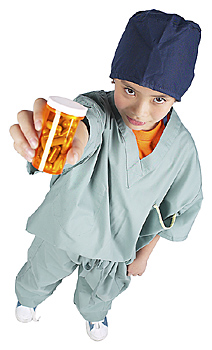
Psychiatric Drugging of Infants and Toddlers in the US - Part II


Image: media.mercola.com

Part One HERE

Special Thanks to Evelyn Pringle for allowing me to republish her article in its entirety.

Psychiatric Drugging of Infants and Toddlers in the US - Part II

Of all the harmful actions of modern psychiatry, "the mass diagnosing and drugging of children is the most appalling with the most serious consequences for the future of individual lives and for society," warns the world-renowned expert, Dr Peter Breggin, often referred to as the "Conscience of Psychiatry."

Peter Lehman, author of the book, "Coming off Psychiatric Drugs: Successful Withdrawal from Neuroleptics, Antidepressants, Lithium, Carbamazepine and Tranquilizers," believes that giving infants and toddlers "powerful, brain-effecting psychiatric medication is close to criminal activity."

"Giving them these drugs," he says, "has no rationale, and ignores the basic fact that youngsters are very sensitive to their environments, both social and chemical, with the juvenile brain easily damaged by the latter."


Inventing Disorders

During an interview on ABC Radio National in August 2007, Dr David Healy (right), the noted British pharmacology expert, and author of the book, "Mania: A Short History of Bipolar Disorder," told reporter Jane Shields: "Just to give you a feel for how crazy things have actually got recently, it would appear that clinicians in the US are happy to look at the ultrasounds of children in the womb, and based on the fact that they appear to be more overactive at times, and then possibly less active later, they're prepared to actually consider the possibility that these children could be bipolar."

On April 9, 2009, Christopher Lane, author of the book, "Shyness: How Normal Behavior Became a Sickness," published an interview on his Psychology Today blog with Dr Healy. In the interview, Healy explained the history behind the drastic rise in the sale of anticonvulsants and antipsychotics as "mood stabilizers," and the diagnosis of bipolar disorder.

"The key event in the mid-1990s that led to the change in perspective was the marketing of Depakote by Abbott as a mood stabilizer," Healy tells Lane, and further explains:

"Mood stabilization didn't exist before the mid-1990s. It can't be found in any of the earlier reference books and journals. Since then, however, we now have sections for mood stabilizers in all the books on psychotropic drugs, and over a hundred articles per year featuring mood stabilization in their titles.

"In the same way, Abbott and other companies such as Lilly marketing Zyprexa for bipolar disorder have re-engineered manic-depressive illness. While the term bipolar disorder was there since 1980, manic-depression was the term that was still more commonly used until the mid-1990s when it vanishes and is replaced by bipolar disorder. Nowadays, over 500 articles per year feature bipolar disorder in their titles."

"As of 2008, upwards of a million children in the United States--in many cases preschoolers--are on "mood-stabilizers" for bipolar disorder, even though the condition remains unrecognized in the rest of the world," Healy points out.

"But there is no evidence that the drugs stabilize moods," he says. "In fact, it is not even clear that it makes sense to talk about a mood center in the brain."

"A further piece of mythology aimed at keeping people on the drugs," he reports, "is that these are supposedly neuroprotective--but there's no evidence that this is the case and in fact these drugs can lead to brain damage."

Healy says the FDA's decision to add a black-box warning about suicide to SSRIs likely had little to do with the switch to prescribing antipsychotics as safer for children. What "was quite striking was how quickly companies were able to use the views of the few bipolar-ologists who argued that when children become suicidal on antidepressants it's not the fault of the drug," he points out.

"The problem, they said, stems from a mistaken diagnosis and if we could just get the diagnosis right and put the child on mood stabilizers then there wouldn't be a problem," he explains.

"There is no evidence for this viewpoint, but it was interesting to see how company support could put wind in the sails of such a perspective," he says.

Because having just one label was very limiting, Healy says, child psychiatry "needed another disorder--and for this reason bipolar disorder was welcome."

He reports that the same thing is happening to children labeled with ADHD. "Not all children find stimulants suitable," he advises, "and just as with the SSRIs and bipolar disorder it has become very convenient to say that the stimulants weren't causing the problem the child was experiencing; the child in fact had a different disorder and if we could just get the diagnosis correct, then everything else would fall into place."

A report titled, "Adverse Events Associated with Drug Treatment of ADHD: Review of Postmarketing Safety Data," presented at the FDA's March 22, 2006, Pediatric Advisory Committee meeting bears witness to Healy's explanation by stating in part: "The most important finding of this review is that signs and symptoms of psychosis or mania, particularly hallucinations, can occur in some patients with no identifiable risk factors, at usual doses of any of the drugs currently used to treat ADHD."

Between January 2000, and June 30, 2005, the FDA identified nearly 1,000 cases of psychosis or mania linked to the drugs in its own database and those from the drug makers themselves.

The antipsychotics are just as dangerous as the SSRI antidepressants, Healy says. "Long before the antidepressants were linked with akathisia, the antipsychotics were universally recognized as causing this problem," he explains in the Lane interview. "It was also universally accepted that the akathisia they induce risked precipitating the patient into suicidality or violence."

"They also cause a physical dependence," Healy states. "Zyprexa is among the drugs most likely to cause people to become physically dependent on it."

"In addition," he points out, "these drugs are known to cause a range of neurological syndromes, diabetes, cardiovascular problems, and other problems."

"It's hard to understand how blind clinicians can get to problems like these, especially in youngsters who grow obese and become diabetic right before their eyes," Healy tells Lane.

As for what he calls the "medicalization of childhood," in the radio interview, Healy points out that "children always have been unhappy, they always have been nervous, but that's actually part and parcel of being a child."

"You have to go through these things," he said. "This is how we learn to cope with the problems of life."

Children can best be helped in the safest way, he says, "if they're just seen and if they actually have the opportunity to talk about their problems, and if they get basic and sensible input about how to perhaps help them cope with these problems."

Healy said it's important to remember that severe mental illness is rare in children and that most children with a mental health problem do not need medication. Children are being picked up and put on pills "who really don't need to be on these pills and who are going to be injured by them," he warned.

"I think possibly 10 to 15 years up the road," he told Shields, "we're going to be looking at a generation of children who will have been seriously injured by the treatments that they appear ever-increasingly likely to be put on now."

But the administration of multiple drugs at once complicates the situation so that it may be impossible to determine which drugs are most responsible for the adverse reactions children experience, according to Dr Breggin.

"Because so many doctors and so many drug companies will share the blame for mistreating these children, they will be unable to seek redress against individual perpetrators through the courts when they grow up," he explains.

(Evelyn Pringle is an investigative journalist focused on exposing corruption in government and corporate America)

(This report is one of a series of articles focused on the rising rates of psychiatric drugging in the US and is sponsored by the International Center for the Study of Psychiatry and Psychology)

Fid

ORDER THE PAPERBACK
'THE EVIDENCE, HOWEVER, IS CLEAR...THE SEROXAT SCANDAL' By Bob Fiddaman
SIGNED COPIES HERE OR UNSIGNED FROM CHIPMUNKA PUBLISHING

Monday, April 19, 2010

Psychiatric Drugging of Infants and Toddlers in the US - Part I By Evie Pringle


Image: media.mercola.com


Following on from the excellent Louis Theroux documentary, America's Medicated Kids, here's an article from investigative journalist, Evie Pringle. Part two will be here shortly.

I have had a lot of hits on this blog in the last 24 hours or so, due, in the main to adding videos from the Louis Theroux documentary. Sadly, the videos have now been taken down by YouTube for apparent copyright infringement. It's a shame because this really was an excellent documentary... as is the article from Evie you are about to read.

Psychiatric Drugging of Infants and Toddlers in the US - Part I

The United States has become the psychiatric drugging capital of the world for kids with children being medicated at a younger and younger age. Medicaid records in some states show infants less than a year old on drugs for mental disorders.

The use of powerful antipsychotics with privately insured children, aged 2 through 5 in the US, doubled between 1999 and 2007, according to a study of data on more than one million children with private health insurance in the January, 2010, "Journal of the American Academy of Child & Adolescent Psychiatry."

The number of children in this age group diagnosed with bipolar disorder also doubled over the last decade, Reuters reported.

Of antipsychotic-treated children in the 2007 study sample, the most common diagnoses were pervasive developmental disorder or mental retardation (28.2%), ADHD (23.7%), and disruptive behavior disorder (12.9%).

The study reported that fewer than half of drug treated children received a mental health assessment (40.8%), a psychotherapy visit (41.4%), or a visit with a psychiatrist (42.6%) during the year of antipsychotic use.

"Antipsychotics, which are being widely and irresponsibly prescribed for American children--mostly as chemical restraints--are shown to be causing irreparable harm," warned Vera Hassner Sharav, president of the Alliance for Human Research Protection, in a February 26, 2010 InfoMail.

"These drugs have measurable severe hazardous effects on vital biological systems, including: cardiovascular adverse effects that result in shortening lives; metabolic adverse effects that induce diabetes and the metabolic syndrome," she wrote. "Long-term use of antipsychotics has been shown to result in metabolic syndrome in 40% to 50% of patients."

The lead researcher on the study above, Columbia University psychiatry professor Mark Olfson, told Reuters that about 1.5% of all privately insured children between the ages of 2 and 5, or one in 70, received some type of psychiatric drug in 2007, be it an antipsychotic, a mood stabilizer, a stimulant or an antidepressant.

Psychiatric drugs bathe the brains of growing children with agents that threaten the normal development of the brain, according to Dr Peter Breggin, founder of the International Center for the Study of Psychiatry and Psychology (ICSPP), and author of about 20 books, including "Medication Madness."

The drugs themselves are causing severe disorders in millions of children in the US, he warns. "Substances like antidepressants, stimulants, mood stabilizers, and antipsychotic drugs cause severe, and potentially permanent, biochemical imbalances."

American Phenomenon

A number of presentations at the annual meeting of the American Psychiatric Association in May 2009, addressed the diagnosis of bipolar disorder, including one titled, "Pediatric Bipolar Disorder: A Critical Look at an American Phenomenon," at which Dr Peter Parry, a consultant child & adolescent psychiatrist, and senior lecturer at Flinders University in Australia, presented a survey on, "Australian and New Zealand's Child and Adolescent Psychiatrists' Views on Bipolar Disorder Prevalence and on Rates of Pediatric Bipolar Disorder in the USA."

Dr Parry and his colleagues conducted a survey of child and adolescent psychiatrists in Australia and New Zealand. Of the 199 psychiatrists who responded to the survey, 90.5% thought pediatric bipolar disorder was overdiagnosed in the US.

In an October 1, 2009 article titled, "Medicating Our Children," Dr Parry reports that since "the mid-1990s in the USA, some researchers have claimed that Paediatric Bipolar Disorder (PBD) frequently starts prior to puberty."

One of PBD's main proponents, Harvard University's Professor Joseph Biederman, stating onset "is squarely in the preschooler age group," he notes.

Parry explains that "PBD has been created by moving the diagnostic goalposts away from traditional concepts of bipolar disorder."

"In children," he says, "episodes were redefined to last hours instead of days or weeks and, instead of manic elation, severe anger in children sufficed as mania."

"Unlike diagnoses like ADHD or depression, or simply accepting a child has serious emotional and behavioural problems in reaction to various stressors, PBD implies a lifelong severe mental illness requiring of strong psychiatric medication," Parry warns.

"In the USA," he says, "the public is furthermore exposed to direct pharmaceutical advertising that can feed the natural desire parents of distressed and aggressive children have for a quick solution by suggesting a simple medication fix."

"The medicating of America's children has become intensely controversial, highlighted by the tragic case of Rebecca Riley, a four-year-old Boston girl diagnosed at 28 months old with ADHD and PBD," he points out.

On April 7, 2009, the author of the book, "Shyness: How Normal Behavior Became a Sickness," Christopher Lane, featured an interview on his Psychology Today blog, "Side Effects," with journalist, Philip Dawdy, the creator of the popular website, Furious Seasons, and discussed the rising number of children being diagnosed with bipolar disorder.

"As for bipolar disorder in kids (meaning pre-teens and younger), it's simply not an issue in the rest of the world," Dawdy told Lane. "The bipolar child is a purely American phenomenon."

"The pharma companies and the Harvard crew worked hand-in-hand to bring America a generation of ADHD kids and bipolar children, and their profound influence can be seen in the millions of children and teens who now carry lifetime diagnoses and take gobs of psychotropic drugs each day, often to their detriment," he advised. Lane asked for Dawdy's opinion on a recent report in the St Petersburg Times that found 23 infants less than one-year-old had been prescribed antipsychotics in Florida in 2007, as well as the drug overdose death of 4-year-old Rebecca Riley in Massachusetts. "How is it possible for psychiatrists to continue prescribing to infants in such numbers without more oversight?" Lane asked.

"What's gone on with antipsychotics prescribed to infants and toddlers is simply inexplicable to me," Dawdy said. "The drugs are known to cause huge problems in adults, so why the heck would a doctor give them to little kids, especially infants? It boggles my small mind."

"I'm no fan of bans or restrictions," he told Lane, "but this does strike me as a situation where there needs to be a serious rethinking of what we are doing—and maybe there should be a ban on the use of these drugs in kids under, say, 6 years of age."

An October 2007 report by the University of South Florida found the most common diagnosis for antipsychotic use with children in Florida’s Medicaid program, between July and December 2005, was ADHD. Roughly 54%, or 1,372 cases, involved prescriptions for children five and under and the total number of antipsychotic users in this young age group was 2,549, with all disorders combined, according to the report.

Increased Prescribing to Poor Children

Federally funded research published online in December, 2009, revealed that children covered by Medicaid were prescribed antipsychotics at a rate four time higher than children with private insurance. The data showed that more than 4% of children in Medicaid fee-for-service programs received antipsychotics, compared to less than 1% of privately insured youth. The study found Medicaid kids were more likely to receive antipsychotics for unapproved uses such as ADHD and conduct disorders than privately insured children.

The researchers examined records for children in seven states for the years 2001 and 2004, chosen as representative of the US Medicaid population. But more recent data through 2007 indicates that the disparity has remained, said Stephen Crystal, a Rutgers professor who led the study, according to the December 11, 2009, New York Times.

Antipsychotics were the top selling class of drugs in both 2008 and 2009. With sales of $14.6 billion in 2009, they brought in more than the $13.6 billion earned by both heart burn and cholesterol medications. Antidepressants ranked fourth with sales of $9.9 billion, according to data by IMS Health. In 2008, the drug makers took in $11.3 billion from antiseizure drugs and $4.8 billion from ADHD drugs.

In a new book titled, "Anatomy of an Epidemic: Magic Bullets, Psychiatric Drugs, and the Astonishing Rise of Mental Illness in America," Robert Whitaker reports that the number of children on government disability rolls due to severe mental illness has increased more than 35-fold since 1987.

The book explores the question of whether the epidemic rise in people disabled by mental illness, among all age groups in the US over the past 20 years, could have been fueled by a drug-based paradigm of care.

It also explores what is happening to children over the long-term who are placed on psychiatric drugs. "Once again, science tells a very clear story, and, as you might imagine, it is one that — when you think of the millions of children so affected — makes you want to weep," Whitaker stated in a March 26, 2010, notice for the book's release on the Beyond Meds Website.

Evelyn Pringle
(Evelyn Pringle is an investigative journalist focused on exposing corruption in government and corporate America)

(This report is one of a series of articles focused on the rising rates of psychiatric drugging in the US and is sponsored by the International Center for the Study of Psychiatry and Psychology)

PART TWO COMING SOON

Fid

ORDER THE PAPERBACK
'THE EVIDENCE, HOWEVER, IS CLEAR...THE SEROXAT SCANDAL' By Bob Fiddaman
SIGNED COPIES HERE OR UNSIGNED FROM CHIPMUNKA PUBLISHING

Goldilocks and the Three Bears - "Who's been taking my Paxil?"


Not for Children

Once upon a time, there was a little girl named Mary Anne Goldilocks. One day she went for a walk in the forest close-by to her million dollar mansion in Pennsylvania, USA. Pretty soon, she came upon a house. She knocked and, when no one answered, she walked right in.


At the table in the kitchen, there were three packets of Paxil. Mary Anne Goldilocks was suffering from shyness so she took one Paxil from the first packet.

She had forgotten her daily dose of Paxil and it seemed a remarkable coincidence that the owner of this particular house was also on the medication.

"Fuck, I feel agitated" she exclaimed.

So, she took another Paxil from the second packet.

"These head zaps are making me cranky," she said

So, she took another Paxil from the third packet.

"That's better," she said happily.

After she'd popped 60mg of Paxil, she was feeling a little tired. So, she walked into the living room where she saw three chairs. Mary Anne Goldilocks sat in the first chair to rest her feet and because she was feeling slightly nauseus and dizzy.

"Fuck, these zaps in my head are bugging the shit outta me," she exclaimed.

Unable to sit still, due to akathesia, she sat in the second chair.

"Damn these zaps," she whined.

So she tried the last and smallest chair.

"Ahhh, this chair is just right," she sighed. But just as she settled down into the chair to rest, it broke into pieces! Mary Anne Goldilocks had put on lots of weight since being prescribed Paxil.

Mary Anne Goldilocks was very tired and about to drop on the spot, so she climbed upstairs to the bedrooms. She lay down in the first bed, but it was too hard. Then she lay in the second bed, but it was too soft. Then she lay down in the third bed and it was just right. Mary Anne Goldilocks was sleeping within seconds.

As she was sleeping, the three bears came home.

"Someone has been taking my Paxil that I take for Post Partum Depression for men," growled the Papa bear.

"Someone has been taking my Paxil that I take for PMDD," said the Mama bear.

"Someone's been taking my Paxil too. I hope they didn't take them all because how else am I going to control my ADHD?," piped Baby bear.

"Who's been sitting in my chair?," growled the Papa bear.

"Who's been sitting in my chair?," said the Mama bear.

"Someone's been sitting in my chair and by the look of things, the fat fucker has broke it!," announced Baby bear.

"Calm down," cried Mama Bear. "Here, take one of these," she added, whilst handing a Paxil to her 7 year old baby bear. She also took one herslef as her period was due.

They decided to look around some more and when they got upstairs to the bedroom, Papa bear growled, "Who's been sleeping in my bed?,"

"Someone's been sleeping in my bed, too" said the Mama bear

"Someone's been sleeping in my bed and she's still there!" exclaimed Baby bear.

Just then, Mary Anne Goldilocks woke up and saw the three bears. She screamed, "Help!" And she jumped up and ran out of the room.

Mary Anne Goldilocks ran down the stairs, picked up a loaded shotgun and shot the three bears dead.

Mary Anne Goldilocks is currently awaiting trial.

For the record - she is not a Scientologist.


Porridge can be just as effective as Paxil for treating fairy tale characters with fairy tale diseases such as shyness.

A Fiddaman story in conjunction with the makers of Porridge Oats.

**Please feel free to disseminate and change the medication from Paxil to whatever drug you wish to raise issue with.


Fid

ORDER THE PAPERBACK
'THE EVIDENCE, HOWEVER, IS CLEAR...THE SEROXAT SCANDAL' By Bob Fiddaman
SIGNED COPIES HERE OR UNSIGNED FROM CHIPMUNKA PUBLISHING

Louis Theroux: America's Medicated Kids - The Videos

This is for the benefit of my overseas readers who cannot access the BBC IPlayer.

I watched this as it aired tonight and one thing kept running through my mind.

Why have we, as humans, forgotten how to be parents?

I don't know if these videos will remain on YouTube as there may be some copyright infringement - hopefully they will stay up.

It's a riveting 1 hour documentary.

Theroux covered this subject brilliantly and at times you can almost see the sense of disbelief on his face as he talks to parents, psychiatrists and the children on these meds such as Adderall, Seroquel and Cipramil.

There is a very moving segment when Theroux spends time alone with one of the children featured in this powerful documentary.

I feel for these poor kids. Who knows how long they will be on these drugs for? Who knows what psychological [Neurological] damage is being caused?


PART 1


PART 2


PART 3


PART 4


PART 5


PART 6


PART 7


Fid

ORDER THE PAPERBACK
'THE EVIDENCE, HOWEVER, IS CLEAR...THE SEROXAT SCANDAL' By Bob Fiddaman
SIGNED COPIES HERE OR UNSIGNED FROM CHIPMUNKA PUBLISHING

Please contact me if you would like a guest post considered for publication on my blog.