Zantac Lawsuit


Researching drug company and regulatory malfeasance for over 16 years
Humanist, humorist
Showing posts with label Panorama. Show all posts

Thursday, June 22, 2023

My Take on Panorama's 'The Antidepressant Story'


On Monday, June 19, the BBC's flagship current affairs programme, Panorama, broadcast the long-awaited, and much anticipated 'The Antidepressant Story'.

Living, as I do, in Central America, it's difficult to watch British TV, especially live broadcasts. With the help of a useful app, however, I didn't fret too much.

While most of Britain settled down at 8pm on Juneteenth, the time difference here meant a 2pm viewing here for me.

I watched with my partner, who also has an interest, given her daughter died at the hands of antidepressants.

Many, reading this, will know I've been banging the drum for over 16 years regarding the safety and efficacy of SSRIs so watching this hour-long special saw me (internally) go through a range of emotions. It's only now, some three days after it aired, that I'm able to write about it.

My main focus has always been about the withdrawal effects of SSRIs and also their propensity to induce suicidality. Although 'The Antidepressant Story' covered the withdrawal issue they never delved into the suicide link. I totally understand why as this has been covered four times (brilliantly) by the Panorama team during the first ten or so years of the 2000's (Links at the foot of this post)

I watched with interest as they covered PSSD. For me PSSD is a confusing acronym, at first glance it looks like PTSD, an invented disorder that promotes the use of psychiatric drugs. If an experienced old fella like me, who's researched these SSRIs for many years, finds this confusing, I have to wonder if the same can be said about the general public?

The two acronyms are very different though.

PSSD is Post-SSRI sexual dysfunction, a condition caused by the use of one or more serotonergic antidepressants that persists despite the cessation of antidepressant treatment. PTSD is Post-traumatic stress disorder, an apparent "mental health" condition that's triggered by a terrifying event.

Although I agree many suffer when recalling terrifying events, I refuse to give it a mental health label. PTSD first appeared in 1980 in the third edition of the Diagnostic and Statistical Manual of Mental Disorders (DSM-lll) published by the American Psychiatric Association, a manual used by psychiatrists, such as the ones who appeared (for balance) in 'The Antidepressant Story', namely Wendy Burn and Prof David Nutt. More about them later. 

The Antidepressant Story kicks off with Audrey Bahrick, a patient who tells her story about reading about Prozac and its beneficial properties. She was going through a sticky patch at the time and thought Prozac would give her the lift that she needed. After taking it, Bahrick felt "confident and energized", adding, "I loved being on Prozac."

Another patient, Trish Matthews, also tells her story. Trish was training as a nurse in the 1990's and found the pressure of training whilst trying to manage her homelife, she became stressed and struggled to manage her daily life. She went to her doctor and was prescribed an antidepressant. She believed, after reading various articles, that her stress was brought on by a chemical imbalance. 

Drug company adverts, such as the one below, were flooding TV stations across the US and New Zealand (The only two countries that allow Pharma Drug To Consumer advertising)


It wasn't long before those adverts turned to print so other nations, such as the UK, could read about an apparent serotonin deficiency and how to treat it.

It was genius marketing by the drug industry but it was pure fiction, a fiction that was lapped up by the likes of the Royal College of Psychiatrists and its members. They never once questioned it. They could now prescribe en masse and give a reason, albeit fictional, why they were prescribing.

The chemical imbalance myth has been debunked so many times over the years. That I'm still writing about it baffles me. It's ingrained in society, moreover in rooms with pens and prescription pads. It's cult-like and many who are hanging on to this claim are part of that cult.

Back to Bahrick and Matthews

As the show progresses we learn that Audrey Bahrick and Trish Matthews both started to experience the dark side of the SSRIs they were prescribed.

"I was immediately sexually numb, within a day (of taking Prozac) my genitals were numb", Bahrick said.

Trish Matthews had been taking her prescribed SSRIs for 18 months and felt she was now better so decided to cease taking them. This is when her problems began. "Within 24 hours I felt absolutely dreadful", she thought her 'depression' was coming back. She rang her doctor who told her, "you have to go back on them."

Withdrawing from SSRIs can mimic the symptoms of why you were put on them in the first place. Prescribers are, largely, unaware of this as are those who take them.

Dr Mark Horowitz, a trainee psychiatrist, who also features in the show, was diagnosed with depression at the age of 21. 15 years later he tried to come off and experienced insomnia, panic attacks, dizziness, anxiety and low mood. He has not been taught about these effects of SSRIs at medical school or in psychiatry training. Horowitz, when reading the academic literature available to him, found that psychiatrists and academics at the institution he had studied at and others like them around the world had little helpful to say about withdrawal effects from antidepressants, they recommended stopping the drugs over 2 to 4 weeks, and reported that the symptoms were mild and brief. To date, Horowitz is still taking his medication.

Joanna Moncrieff, a practising professor of psychiatry and a part-time academic and author, says she was skeptical about these new antidepressants from the start. "My interest has always been in the role of drug treatment and whether they're as beneficial as we are, usually, led to believe that they are."

Pfizer, who are never out of the news these days, are briefly featured in the show. The Panorama team obtained a 'secret document' that showed how Pfizer execs wanted to play down the withdrawal issue. They also wanted to include claims about the chemical imbalance being a fact, they were declined by drug regulators but the chemical imbalance somehow made its way into the patient information leaflets that accompany SSRIs. With trickery, using wordplay, companies like Pfizer could set the 'chemical imbalance' promotion rolling by putting its main message amongst words like 'it is thought' or 'it may be'. Moncrieff was shown the document by the Panorama team, her reaction said it all, "Oh, my gosh".


Moncrieff has been instrumental in trying to debunk the chemical imbalance theory and in 2022, along with Benjamin Ang and Mark Horowitz, published a paper in the Science Direct Journal that found the field of psychiatry bears some responsibility for dissemination of the theory of the chemical imbalance  and associated antidepressant use.

This paper caused outrage amongst many leading psychiatrists and they took to Twitter not only to refute the findings but to target Moncrieff personally. I've watched it all unfold via my own Twitter account - it still continues today.

The Balance

As I mentioned previously, for balance Panorama asked two psychiatrists onto the show. The pharma conflicted Prof David Nutt and the former President of the Royal College of Psychiatrists, Wendy Burn.

As was expected both made claims that could not be backed up with evidence. Nutt opted to go down the emotive route with, "antidepressants have saved the lives of many hundreds of thousands of people”.

I find this claim astonishing and am bamboozled that it's rarely challenged by mainstream media or, indeed, programme makers such as Panorama.

As I wrote on Twitter, "If I believed listening to the Dixie Chicks whilst going through severe Paxil withdrawal saved my life, would this actually prove that the Dixie Chicks saved my life?"

Of course it wouldn't.

There is no scientific evidence that antidepressants save lives. Too many people are scared to challenge the narrative because many patients who believe this to be true will get emotional and throw hissy fits on social media platforms. Trust me, I have friends who think they or their kids' lives were saved by SSRIs. I cannot debate with them as it causes them obvious distress. 

Nutt knows this. He seems to be playing the system here, it's clever deception. Appear to have concern and show support whilst dismissing the likes of the patients that appeared in the show and millions of others who have suffered the darker side of SSRIs.

Burn didn't fare much better. Fidgeting throughout her (edited) interview, Burn said she personally regrets that severe and long-lasting withdrawal wasn't recognised sooner. "I can't really explain why it took so long, perhaps partly because of the overlap between relapse and withdrawal...I don't know, I can't really explain it."

What Panorama didn't show the public, because they probably didn't know, is an interview Burn did with Equally Well back in 2020. She told them that "when she was first trained she was told not to tell patients about side effects as it might dissuade them from taking medication."


The BBC didn't push Burn on why she has blocked or muted so many patients on Twitter who have reached out for help regarding withdrawal and PSSD issues.

Burn offered a personal apology on the show but it reminded me of Alan Partridge publicly apologising to Norfolk farmers. "If there's anybody watching who has gone through withdrawal and it wasn't recognized then I'm very sorry."

You'll notice she was making a personal apology here and not one on behalf of The Royal College of Psychiatrists, whose members with Twitter accounts are some of the most vile human beings I've come across regarding those injured by SSRIs. That's another blog though.

All in all, I thought the one-hour special did the job, it got the message across and, as predicted, infuriated many Royal College members on Twitter. Their anger was aimed at the apparent bias of the show. At no point did they show any empathy whatsoever to those harmed by the very same drugs they write prescriptions for. Targeting their cultish beliefs was deemed, it seems, unacceptable.

Psychiatry is in a mess but I can't let General Practitioners (GPs) off the hook here either. For too long now, GPs have ignored the SSRI withdrawal and PSSD issues as have the British Drug Regulator the MHRA. This needs to change, and it needs to change right now!

I sat down with the MHRA 15 years ago to discuss the SSRI withdrawal issue, back then I had no Facebook or Twitter support groups to help me, nor did I have any interest from the BBC or any other network channel. I made the visit alone and sat with the, then, chief executive of the MHRA, Kent Woods, their Head of Pharmacovigilance Risk Management, Sarah Morgan, and their Communication Manager, John Watkins.

I thought I'd struck gold, sadly that wasn't the case. The problem still exists today and many patients who are prescribed these drugs will, no doubt, go through what I did, what the patients in the show did, and what many millions of people worldwide are having to endure.

With that said, if you want to become an advocate for SSRI safety, it comes at a price. Members of the Royal College of Psychiatry have labelled me 'a conspiracy theorist', a 'far-right sympathizer', a 'misogynist', amongst many other labels designed to keep me quiet. It's straight from the pharma playbook, folks!

I'm not alone, many other SSRI safety advocates have had their fair share of crap thrown at them as they strive for answers, many of whom who have lost loved ones due to SSRI induced suicides.

The Royal College of Psychiatrists were 'royally' kicked in the nuts with this Panorama offering. It's going to get a lot worse with the insults, the accusations, the muting and the blocking. Cults don't like their belief system tarnished.

Bob Fiddaman

Watch the 'The Antidepressant Story' on BBC IPlayer here.

Outside the UK, watch here

Previous Panorama SSRI coverage

The Secrets of Seroxat

Emails From The Edge

Taken On Trust

The Secrets Of The Drug Trials


Friday, July 28, 2017

Panorama: Prescription For Stigma?


By Bob Fiddaman & Kristina Gehrki

This week I watched BBC's eagerly anticipated Panorama documentary, "A Prescription For Murder?" I say 'eagerly anticipated' because on the day it was scheduled to air, organizations that routinely run from public dialogue were tweeting away in the wee morning hours. This includes the Royal College of Psychiatrists (RCP) and the Medicines Healthcare Products Regulatory Agency (MHRA). They took to Twitter long before viewers had an opportunity to view and judge Panorama's programme on its own merits.

MHRA, RCP and other so-called "mental health" organizations, claim the show stigmatized those who use antidepressants. RCP tweets included:
#BBCPanorama claims irresponsible and unfounded. Scaremongering title alone shows real stigma people taking #antidepressants face.
More #antidepressant prescriptions=more people getting help. Not more potential murderers. Don't stigmatize people needing help #BBCPanorama 
Professor Louis Appleby later chirped:
A media throwback: sensationalist, exploitative, not even new, with stigma & risk to patients collateral damage.http://www.bbc.co.uk/programmes/b08zjyp1 …
The MHRA's limp-wristed, London-based suits tweeted:
SSRIs have been used to effectively treat millions of people worldwide & like all medicines, the safety is continually monitored. (Notice that MHRA did not state "SSRI drugs do not cause an increase in suicide or homicide.")
I immediately tweeted back:
You forgot to add that your CEO is the former World Safety Officer for @GSK
Many other mental health charities and patients tweeted their disapproval. A majority of complainers seemed annoyed by the documentary's title. I pointed out the title had a question mark after it, ergo it was posing a question, not making a statement. But this obvious fact seemed to be lost on those who bombarded Panorama's Twitter page.

Out With the Old, In With the New

For decades, Big Pharma has made wildly inaccurate claims about everything from the chemical imbalance theory to the legitimacy of their own "science." Today the old chemical imbalance campaign seems to be replaced by the new stigma campaign. It is an emotional appeal to try and convince the public that people who speak on behalf of drug safety are shaming those who consume prescription drugs. The reality is that drug safety advocates only want consumers to know the real risks so they can make an informed personal choice.

Drug companies, regulators and "mental health" organizations aggressively brand drug safety advocates as "stigmatizers." They want the word "stigma" to carry similar emotionally-charged perceptions as the word "racism." This diversion is sickly twisted, but a clever communications tactic nonetheless.

The problem is stigma isn't relevant to drug safety discussions. As Thomas Insel, former director of the National Institutes of Mental Health (NIMH), discusses in the documentary "Letters from GenerationRX," stigma isn't even much of an issue in seeking mental health "treatment." Insel states "The fact is that actually more people are getting more treatment than ever before" and yet the suicide rate "has not come down." The reason, surmises Insel, is "We (the mental health profession) don't know enough."

To see Insel's interview and the tragic SSRI experiences of many families, "Letters from GenerationRX" is available here.

The stigma campaign is designed to create a false public rift to hinder open dialogue about medical freedom of choice and drug safety. Drug companies don't want people to recognize it is a fundamental human right to know the real risks vs. benefits of their product before consumption. Few consumers would consciously choose to forego this right and Pharma, the MHRA, and RCP know it.

Their propaganda is a recipe for disaster. To ignore serious side effects causes thousands of deaths. These organizations create an imaginary enemy and imaginary "war" of sorts. Pit two sides against each other and stir the pot. They then sit back, enjoy the heated conflict, and stealthily pad their pockets.

Brief Summary of "A Prescription For Murder?"

Panorama's hour-long documentary mainly focused on mass murderer James Holmes. It posed the question of whether the SSRI Holmes was prescribed before the Colorado shootings played a role in his actions. The drug Holmes was prescribed in increasing doses is called sertraline, better known by its brand names of Lustral and Zoloft. It is made and marketed by Pfizer Pharmaceuticals. As Pfizer's own scientist, Dr. Roger Lane, has confirmed, Zoloft and other SSRIs can cause akathisia. Lane describes akathisia as "subjective distress" and "unbearable discomfort." He states akathisia sufferers "can feel death is a welcome result" to end their symptoms. (Source) - The source is hosted on Woody Matters, a website created by the wife of Woody Witczak, Kim. Woody died a violent death after taking sertraline for a total of 5 weeks with the dosage being doubled shortly before his death.

Panorama's investigative reporter, Shelley Jofre, interviewed many sources to include Holmes' parents, the prosecuting attorney, and several healthcare professionals. The show also briefly featured two other tragedies, that of Shane Clancy, who experienced adverse drug reactions (ADRs) from citalopram (1)  The programme's aim, as I see it, was to explore whether the connection between SSRIs and violence is legitimate.

The documentary, which hasn't yet aired outside the UK, was a year in the making and appeared well-researched. I won't give away too much program info because many people outside the UK haven't yet seen it. Suffice it to say; it was riveting.

(Note: In 2002 Jofre aired "The Secrets of Seroxat." It focused mainly on SSRI withdrawal problems but also shared the tragedy of 60-year-old Don Schell. After taking just two Seroxat tablets he killed his wife, daughter, and infant granddaughter before killing himself. ) Jurors ruled in favor of the man’s relatives and also ruled that taking Seroxat was the proximate cause of all these deaths.

Real Data Linking SSRIs to Violence

The MHRA is, according to the programme, aware of at least 28 homicides associated with SSRIs. Further, 32 additional reports have been sent to them showing an association between homicidal thinking and the use of SSRIs (Fig 1).


Fig 1

Predictably, the MHRA has never followed up these reports as it is not in their financial interests to do so. Therefore, they can then continue to claim that, "although these drugs have been associated with homicide and homicidal acts, it doesn't mean that the drugs caused the acts." It's akin to an airline ignoring reports of loose rivets and refusing to conduct any investigations in response to the reports received. After the plane crashes and innocent people die, the airline officially declares "We can't be certain loose rivets caused the crash."

This week's Panorama documentary further confirmed for me that those who cavalierly promote and push these drugs at alarming rates, while loudly crying "stigma," are actually trying to stigmatize those who have been harmed by the real effects of these drugs. Further, they don't value all human lives equally: those who suffer fatal side effects seem inconsequential.

A publicly-funded PR campaign doesn't exist for those who have suffered and/or died from these drugs. We don't have well-oiled PR machines to spin false data nor journalists ready to write misleading stories in the mainstream press. We don't take drug money in exchange for dishonest research. When we speak truth to medical power, it is we who are negatively labeled by an uncaring profession and corrupt regulators who have personally profited from drug industry ties.

But there is one thing we do have--something priceless that no marketing budget can buy: our honest and real lived experiences. If you're still uncertain about the adverse drug reactions Zoloft and other SSRIs cause, read the diary entries of a barely nineteen-year old girl who unwittingly documented her adverse drug reactions and psychiatric abuse. Natalie Gehrki, barely 5 feet tall and 110 pounds, was prescribed Zoloft in increasing doses. Her final dose was prescribed over the phone without ever being seen by her doctor. The doctor did not inform Natalie's mom that an increase had been directed and since Natalie already had the Zoloft prescription in hand, she simply took the maximum dose as her trusted doctor instructed.

Like Holmes' doctor, Natalie's doctor failed to recognize signs of SSRI-induced akathisia, and she increased the offending drug (Zoloft). Holmes was prescribed 150 milligrams of Zoloft at the time of his psychotic murders spree; Natalie was prescribed 200 milligrams and violence ensued a few days after consumption. Blood tests later showed Natalie was not an efficient metabolizer of SSRI drugs. Oh, well; perhaps the FDA might look into metabolization issues one day so other children might live?

"Netherworld," Natalie's story produced by Miller, is available for free here.

Further SSRI/Homicide related cases

Investigative reporter, Andrew Thibault, has uncovered much more through a series of Freedom of Information requests from the Food and Drug Administration (FDA). Many of the documents were heavily redacted, but all have one thing in common: All patients carried out an act of homicide whilst under the influence of a SSRI. The documents have been made public, and I wrote a series of blog posts about this back in 2016.

Seroxat/Paxil (paroxetine) - GlaxoSmithKline
Cipramil/Celexa (citalopram) &  Lexapro/Cipralex (escitalopram) - Lundbeck/Forest
Prozac (fluoxetine) - Lilly
Lustral/Zoloft (sertraline) - Pfizer

To view A Prescription For Murder, go to the BBC IPlayer here. (UK ONLY)

Shout out to Katinka Blackford Newman, author of The Pill That Steals Lives, who was the development researcher for this programme.

Bob Fiddaman & Kristina Gehrki


1. When Leonie and Tony Met Lundbeck (citalopram manufacturers)


Monday, September 14, 2015

Jofre Vs Dulcan - The 329 Interview


Fascinating.

Priceless.

Golden.

Just three words that sum up BBC Journalist Shelley Jofre's 2006 interview with (the then) Editor in Chief of JAACAP, Mina Dulcan.

Jofre's style of interviewing is refreshing, she doesn't sugarcoat things and she is never afraid to ask the questions that would leave the likes of Michael Parkinson or Jonathon Ross cringing.

This 2006 interview, which has been released in transcript form via the 329 website, is quite remarkable and it highlights two things.

1. Jofre's ability to get under the skin of those in denial.

2. The level of denial of all those connected with the publication of the original 329 review.

Here's just one small extract - things were getting too heated for Dulcan, it seems...


Jofre: The results are pretty negative. That’s the point isn’t it and they weren’t really presented in an accurate way in your journal?

Dulcan: Well, I think there is always room for interpretation and it really feels to me as though this discussion has reached a point at which it is not going anywhere. You are really badgering me to try to get me to say something that you believe and really it is not consistent with the way a scientific journal operates.


Game, set and match to the ankle biter (me thinks)

The full interview can be read here.

Dulcan was last seen cruising down that great Egyptian river, "de Nile".


Bob Fiddaman.


Tuesday, July 07, 2015

The Seroxat Scandal - 2007


Following on from my previous posts regarding BBC TV's Panorama and their coverage of GlaxoSmithKline's Seroxat.

In 2007 they aired their 4th and final installment into the whole Seroxat scandal. 'The Secrets of the Drug Trials' focused on the infamous Paxil 329 study and showed how bosses at Glaxo knew about the suicide link with children and teenagers taking their blockbuster antidepressant - they knew yet still paid highly ranked psychiatrists to spread the word to colleagues that Seroxat was safe and effective for use in children and teenagers. Even more worrisome, GSK paid key opinion leaders huge amounts of money for writing about the benefits of Seroxat in children and teenagers, yet these same key opinion leaders didn't actually write the material - GSK hired an outside agency to ghostwrite the articles for the key opinion leaders. In essence, GSK just paid for leading psychiatrists in the field of pediatrics to add their name to the ghostwritten material and to make believe that it was their work.

The previous three Seroxat specials can be seen here, here and here.

Here's The Secrets of the Drug Trials (Starts 50 seconds in)


Bob Fiddaman.


Friday, July 03, 2015

The Seroxat Scandal 2004


After the success of the first two BBC Panorama documentaries highlighting the dangers of Seroxat (Part 1, Part 2), investigative reporter/journalist, Shelley Jofre, turned the spotlight on to the people that are supposed to protect the British public from unsafe drugs, namely, the MHRA.

This third installment, Taken on Trust, highlights the total incompetence of the British drug regulator. They had previously declined to be interviewed for the first two Seroxat documentaries - judging by the performance of MHRA spokesperson, Alasdair Breckenridge (above), they are probably glad that they did. Breckenridge, incidentally, was GlaxoSmithKline's Scientific Adviser and former head of the MHRA. At the time of Taken on Trust, Breckenridge was merely steering the ship and waiting for the appointment of Kent Woods to take over as CEO of the MHRA.

I met with Woods in 2008. Ideas were discussed... then locked away. That meeting is featured in my book, The evidence, however, is clear, the Seroxat scandal (Amazon)

This third installment is groundbreaking and is a must-watch. It's embarrassing for the MHRA too.

To date, the MHRA, whose current CEO, Ian Hudson, is former World Safety Officer for GlaxoSmithKline, have sat back and shrugged their shoulders at complaints from patients who have struggled to come off Seroxat. They have offered no solution to patients being addicted to Seroxat, in fact the only solution they seem to offer is the bog-standard line that Seroxat isn't addictive and cannot cause suicide in adults, ironically it's a line used by GlaxoSmithKline too.

The MHRA are funded by the pharmaceutical industry. Make of that what you will.

Here's Taken On Trust.


Bob Fiddaman.


Thursday, July 02, 2015

The Seroxat Scandal - 2002 - 2003


I'd not long finished writing my book, it's original title, "Seroxat Sufferers", didn't sit right with me...and then it came to me, in a flash. I was laying in bed, my four-legged companion, Benn, as always, by my side. That's when I heard the voice, a voice that had, if I'm being honest, haunted me for sometime.

"The evidence, however, is clear."

There's the title of the book right there, I thought.

I jumped out of bed, fired up the computer and brought up the manuscript. I deleted the title and replaced it with, "The evidence, however, is clear, the Seroxat scandal." - A book was born and the title was a two fingered salute to the person who coined the phrase.

It's fair to say that I'm not particularly fond of the former European Medical Director of GlaxoSmithKline, Alistair Benbow, but I can, at the very least, thank him for giving me the title of my book.

You see, it was Benbow who uttered that infamous line. "The evidence, however, is clear, these medicines are not linked with suicide, these medicines are not linked with an increased rate of self harm."

He, during his 10 year tenure at GSK, became the spokesperson for Seroxat in the UK. His appearance on BBC TV's Panorama shows were, if you had experienced the addictive qualities of Seroxat, annoying to say the least.

The first Panorama documentary regarding Seroxat first aired in 2002. The Secrets of Seroxat was, in the main, about the withdrawal problem that patients were enduring, it also featured the story of Don Schell, the 60 year-old who, after taking just two Seroxat tablets (called Paxil in the US) killed his wife, Rita Schell, 55. their daughter, Deborah Tobin, 31, and Alyssa Tobin, 9 months.

The Jury in that trial blamed Seroxat as the cause of Schell's induced psychosis and subsequent slaying of his family members. Schell took his own life after killing them.

The Secrets of Seroxat hit a nerve with the British public. The feedback was unprecedented with thousands of people contacting the programme.

Many of the e-mails and phone calls sent in from Panorama viewers after the first installment said they showed signs of violence, addiction, self-harm and suicide.

If, you have not watched the first of the Panorama programmes then watching the second may be confusing.

Both of them are now available.

There were four in all. Ill be uploading the last two shortly.

Shelley Jofre is the investigative journalist and her grilling of Benbow in these first two installments is a sight to behold.

Without further ado, as they say...


Bob Fiddaman


Thursday, July 04, 2013

Panorama - Antidepressant Birth Defects


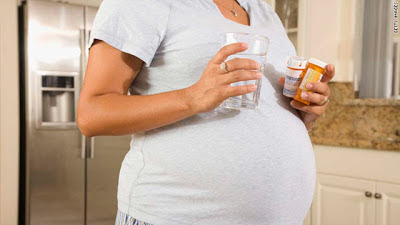
Earlier this week the UK flagship programme, Panorama, exposed the link between a group of prescription medications and birth defects. The programme, "The Truth About Pills and Pregnancy", highlighted the epilepsy drug, Epilim (Sodium valporate) and the group of SSRI drugs.

"The Truth About Pills and Pregnancy" focused on two of the SSRi group, namely Cipramil (citalopram) and Seroxat (paroxetine).

Much of what was covered by investigative journalist, Shelley Jofre, has been written about before but rarely do we get the chance to see this controversy on our TV screens.


I'm left wondering if prescribing physicians will see it as putting women off taking medications during pregnancy, this has a tendency to make GP's dig in their heels because professionals hate to be told that they are wrong, they hate to be told that there is research out there that they have missed... overlooked.

Panorama, once again, showed exactly how the pharmaceutical companies, in this case, Sanoi Aventis [Epilim], GlaxoSmithKline [Seroxat] and Lundbeck [Cipramil] deny any link between their products and birth defects. Jofre, who rose to fame for investigative work on Glaxo's Seroxat, also interviewed Dr June Raine, the MHRA's Director of Vigilance and Risk Management. In the past (Panorama Seroxat expose) the MHRA mouthpiece was Alasdair Breckenridge who performed less than adequately in front of camera. Did Raine perform any better? Not really, once again it was all spin and deniability.

The yellow card was touted once again, a system designed to collect adverse reactions to medicines and to protect the public from harm. I don't even believe the MHRA think their yellow card reporting system is robust enough to be the be and end all of dodgy medicines on the market. In any event, children born with defects are just unlucky, right? They are just unfortunate because... well, because shit happens.

Shit is only happening because it's shit that is in charge. However they spin it one must always remember that one cannot polish a turd, something the MHRA have been trying to do for years, particularly where SSRI's are concerned.

The antidepressant/birth defect link has been debated for years. We have those who claim untreated depression in mothers can harm the child, maybe so but there is no evidence that mothers taking antidepressants protect their unborn children by taking these drugs. Yet health professionals globally still prescribe them.

If an illness such as depression in an expectant mother can harm a foetus, does it harm them in such a way that they are born with heart defects, cleft palate or skull deformities?

These are physical changes to the human body caused by the chemicals ingested during pregnancy, we saw it with thalidomide and have been seeing, but ignoring, it for almost two decades with SSRIs.

I don't really buy into this tough decision health professionals have to make, this nonsense about weighing up benefits against risk just doesn't wash with me any more. They should not be weighing up benefit against risk when they don't even have the full facts to compare. Facts, such as the early rat studies [1979/80] carried out on paroxetine - those rats given paroxetine gave birth to pups who all died four days after they were born, while 80% of the pups not exposed to paroxetine were still alive on day four. Surely this should have rang alarm bells or, at the very least, warranted more animal studies. Fact is it didn't, it was brushed under the carpet, seen as something minor, shit happens, right?

When a pharmaceutical company carries out tests on animal subjects they sing from the rooftops when they see a benefit. When they see a risk they bury such data. They do not choose to weigh the two against each other, why would they wish to do something that could harm sales? Harming babies is okay though, just a small price to pay in this billion-dollar market.

Informed Decision

The phrase "informed decision" has been used many times throughout the past 10 years or so that I actually think we have got to the stage where it means nothing, it's just a phrase associated with campaigners, activists or conspiracy theorists. Many won't even know what it means or will accept information given to them by healthcare professionals as everything that needs to be known on the subject. Healthcare professionals tend to quote published studies to concerned patients, studies that have either been funded by the pharmaceutical industry or written by the pharmaceutical industry who later disguise that work as being written by somebody else, usually an expert. Experts who put their names to papers written by the pharmaceutical industry take the back-slaps, along with big payments for being a good sport. It's these weasels who convince doctors that taking antidepressants during pregnancy is quite safe.

One can only make an informed decision when one has all the facts. Truth is, patients never get all the facts - how can they when their own doctors don't?

"The Truth About Pills and Pregnancy" highlighted that almost 20,000 children could have been effected by the epilepsy drug, Epilim. Given that an estimated 1,000 were effected by thalidomide I think it's high time regulators removed their fingers from their backsides and grew a pair. Alas, this is just not going to happen. The MHRA rely on funding from pharmaceutical companies, they rely on expertise from pharmaceutical companies and, in many cases, employ ex-pharmaceutical employees, case in point Alasdair Breckenridge and Ian Hudson, both, at some point in their careers worked for GlaxoSmithKline, or Smith Kline Beecham as they were known then.

Doctors, for their part, maybe have a 10 minute window. A patient will present them with evidence, the doctor will tick boxes and then make a dignosis based on the number of ticks.

In New Zealand, for example, most doctors use PHQ-9, a patient health questionnaire, which carries 9 opportunities for doctors to tick boxes. The patient never gets to see this. Most of the questions relate to if the patient has a poor appetite to if they are overeating, if they are having trouble sleeping or sleeping too much, if they are having trouble concentrating etc. Most, if not all, the questions relate to all of us, probably even the doctor who is running the test on you.

So your doctor allocates you points based on your answers and his observations.

What may surprise many is that the PHQ-9 (patient health questionnaire) is copyrighted to pharmaceutical giants Pfizer, the company that manufactures and markets the antidepressant Zoloft (Sertraline)

Antidepressants are advertised on TV in New Zealand, the only other country that allows this is the United States. The 'other' types of adverts run on TV in New Zealand are letting the public know that it's okay to talk about depression. These ads have a famous face. Ex All Black John Kirwan being the most recent voice/face. Kirwan was, in 2007, appointed as an Officer of the New Zealand Order of Merit for services to mental health and I'm sure, whether he knows it or not, has helped the sales of antidepressant medication.

Taking antidepressants during pregnancy is a hot potato. For expectant mothers it's akin to playing Russian roulette. Their child may be lucky and be born defect free but this does not mean they are out of the woods.

Sudden Infant Death Syndrome (SIDS)

SIDS, more commonly known as cot death or crib death, is not a medical cause of death, rather a statement that the cause of death is unknown. In fact, SIDS, is yet another of those hot potatos as nobody can pinpoint why infants suddenly die when there is, apparently, nothing wrong with them. Some of the theories that exist have been debated and disproved. Bacterial infections, bed sharing, inner ear damage, Nitrogen dioxide exposure, toxic nerve gases emitted by mattresses, high levels of vitamin C have all been used as an explanation or reason for SIDS.

So, most of us know how horrific withdrawal can be on these drugs. We, as adults, have had to endure the electric zaps, tremors, akathesia, suicidal feelings when withdrawing from these drugs - do babies exposed to these drugs during pregnancy experience the same? It would be ridiculous to say that they don't given that smoking and drinking is not recommended during pregnancy because both these substances can harm your child.

The MHRA are having their cake and eating it folks. On one hand they have a clear conscience because they have already told doctors that SSRIs should not be given to children or adolescents because they may induce suicidal thinking in this population. In other words, the risk outweighs any benefit. They are failing miserably in protecting expectant mothers. What the MHRA seem to be forgetting here [conveniently] is that it's not just one person ingesting the medication, it's two and one of them falls into the very same category (population) that the MHRA, after many years of thumb-twiddling, found that the risk of antidepressant exposure far outweighs any benefit.

Now, tell me again, what benefit does a child growing inside its mother receive from an antidepressant, indeed, tell me, if you will, what benefit a newborn receives from breast feeding when traces of antidepressants have been found in breast milk?

If you are an expectant mother and still undecided about antidepressant use during pregnancy then this simple test should help you arrive at your decision. If you feel the need to bathe your unborn child in serotonin then drop a bronze coin into a glass of Coke and see what happens.

"The Truth About Pills and Pregnancy" can be viewed below. It may only be available on YouTube for a short period as the material belongs to the BBC. I made the decision to upload it for the benefit of viewers outside the UK who cannot access the BBC IPlayer.

Bob Fiddaman


Tuesday, June 25, 2013

Pharmaceutical Intensive Care

SSRi use during pregnancy


What is Intensive Care?

Intensive care units (ICU), also called critical care or intensive therapy departments, are sections within a hospital that look after patients whose conditions are life-threatening and need constant, close monitoring and support from equipment and medication to keep normal body functions going. [1]

The British flagship programme Panorama is stirring the pot again, this time, it seems, it's siding with those who warn against the use of SSRi type medications in pregnant mothers.

Good for them.

I've highlighted SSRi birth defects on this blog many times, particularly paroxetine birth defects. It now seems a given that paroxetine, commonly known as Seroxat in the UK, Paxil in the states and Aropax in the Southern Hemisphere, can cause birth defects. But what about the other group of SSRis?


We, as consumers, constantly hear that the jury is out on their safety during pregancy and that doctors have to weigh up the risk/benefit ratio before prescribing.

This is classic pharmaceutical deflection and, dare I say it, medicine regulator deflection too.

Who is ultimately responsible here, the pharmaceutical company that make the product that can harm unborn children, the limp-wristed regulators who are supposed to regulate the drugs consumers take or the doctors who prescribe the drugs?

Personally, I believe it's the manufacturer who should be held accountable, there are many who take a different viewpoint, all valid views I might add.

Let's say you have fallen pregnant and you are feeling down. You go to your doctor and he, after apparently weighing up the risk/benefit offers you an antidepressant from the SSRi family. He tells you that untreated depression may harm your child and using an SSRi will therefore work to protect the child.

It's ridiculous when you think about that kind of statement. Its a statement that ignores the fact that 'depression' (sadness arising from negative life events or circumstances) can be treated by addressing the social factors causing it rather than by prescribing drugs that cause birth defects.

Let's say our subject is depressed because her employers have told her that there are going to be job cuts. She, like most, would worry. Because she is pregnant she'd probably worry more. How can I now afford to look after my child?

Pharmaceutical companies, regulators and doctors will have you believe that our subject is passing on her concerns to her unborn child. It's the selling point and one that is cruel and heartless. I don't think there is any doubt that having a mother who is scared, stressed, sad etc has a negative impact on a baby but surely that suggests doctors should be providing support to remove or cope with the stressors not prescribing drugs that they do not deny carry a risk. There are no risks associated with joining a new mothers coffee group, getting budget advice, seeking the support of friends, family or social service organisations and if the root causes of the distress are dealt with, huge benefits for both mother and baby. This approach surely has a better risk/benefit profile than prescribing antidepressants but of course doesn't come with the rewards to doctors from big pharma that prescribing does. Nor is it able to be provided in a 15 minute appointment which maximises profit for the doctor's business.

BBC Panorama spoke to eight mothers whose babies came into this world with serious heart defects. All eight mothers were taking SSRi medication during the course of their pregnancy. We are expected to believe that this is just a coincidence.

Babies are born with defects all the time and this really has nothing to do with what the mothers ingest... unless of course the mothers have been smoking, drinking alcohol or taking illegal substances during their term.

Yup, blame everything but the drug that is prescribed widely, right?

So, let's assume that our subject weighs up the risk/benefits herself and decides that taking an SSRi would increase the risk to her unborn child. But our subject is a smoker and want to quit... she has tried many times but just can't kick the habit.

Her doctor, once again, has a drug that can help her. Once again he has to weigh up the risk against the benefits. Chantix [also known as Champix] can, according to its manufacturer Pfizer, help anyone quit smoking. Zyban [also known as Wellbutrin] can, according to its manufacturers, GlaxoSmithKline, also help you quit smoking.

Your unborn child is, women are told, more at risk if you continue to smoke. This maybe true but both Chantix and Zyban, the latter being an antidepressant rebadged by GlaxoSmithKline, can also cause serious abnormalities in babies.

So, where do the regulators come in?

The UK medicines regulator, the MHRA, made recommendations back in early 2000 that SSRis should not be prescribed to children or teenagers. They did this because they had reviewed the evidence and found that there was no benefit in this population taking SSRis. In fact the evidence showed that there was an increased risk of suicidal thinking while this age group was taking an SSRi.

Now, I'm not suggesting that unborn children can have suicidal thoughts but if a drug can induce such chemical changes in the living then are we expected to believe that it will make no alterations to a child growing inside its mother?

The MHRA can and will tell us that they have played their part. They have issued the warnings to the prescribing physicians.

Analogy

"Hey kids, don't touch that fence, it has electricity running through it", the man on top of the grassy bank tells the children.

"Don't believe you", Simon tells the man.

Simon touches the fence. Many volts of electricity are passed through his body. Simon dies as a result of his injuries.

8 days later...

"Hey kids, don't touch that fence, it has electricity running through it", the same man on top of the grassy bank tells the children.

"Don't believe you", Julie tells the man.

Julie touches the fence. Many volts of electricity are passed through her body. Julie dies as a result of her injuries.

The man stands from his sitting position. He's satisfied and has no conscience, he did, after all, warn of the dangers.

Would a humanistic more active approach to protecting the lives of these children have been called for here?

Should the man have raised alarm, been more vocal, called the relevant authorities or maybe erected warning signs in clear bold text, "THIS FENCE IS ELECTRIC". Might warning parents that the fence was dangerous and urging them to monitor their children closely when in proximity to it have been warranted?

The man had been sitting on the grassy bank for many months. In total he had witnessed 5 children touch the fence. Only two of those 5 had died as a result of their injuries. The other three suffered burns but lived as a result.

Because of this the man decided that more people who touched the fence survived than those who died and the fence was therefore not a risk to children.

Bizarre way of thinking, right?

But this is the exact logic that regulators are using when it comes to mothers taking antidepressants during pregnancy. Moreover, they are passing the buck and allowing doctors to make the call.

Let's just take a look at a recent birth defect trial in the United States. The decision of which found GlaxoSmithKline guilty.

When the verdict was announced I contacted the MHRA and asked if they were going to change the labelling on Seroxat now that evidence had emerged that it was a clear teratogen [2]. They told me they were not. I wrote a whole chapter about this in my book where I produce the email correspondence between myself and MHRA CEO, Kent Woods [3]

Here's an extract from court documents [Kilker Vs GlaxoSmithKline]

September 15, 2009
13 Courtroom 253, City Hall
Philadelphia, Pennsylvania

Sean Tracey of the Tracey Law Firm [Attorney for Kilker]
Glaxo were represented, as usual, by King & Spalding


MR. TRACEY: May it please the Court, good morning.
JURORS: Good morning.
MR. TRACEY: I am going to reintroduce myself. My name is Sean Tracey. I represent Michelle David and Lyam Kilker. Before I begin, I want to reintroduce to you Jamie Sheller here, and there are a couple young lawyers up front here. Scott Love and Adam Peavy you are going to see wandering around and probably hearing from during this trial. Who you haven't met are my clients. This is Michelle David. Michelle, will you stand up. This is Michelle David. Over here with Michelle's mother is Lyam Kilker. Lyam is here with his grandmother. Lyam is going to stay a few minutes, then I think his grandmother is going to take him out of the courtroom.

Next we see Tracey explain to the jury the injuries caused to Lyam Kilker.

MR. TRACEY: This is the time for me to talk to you about what I believe the facts are going to be, what I think the evidence that comes in during this trial is going to be through the witness stand starting this afternoon, and through the documents that I have obtained as a result of this lawsuit. And so I want to start that by, this is the name of the case, as you have heard, Kilker versus GlaxoSmithKline. And Lyam Kilker, this is going to be undisputed, Lyam Kilker was born October 24, 2005. And shortly after he was born, Michelle found out he had been born with a series of congenital heart defects. During the time Michelle was pregnant, before she was pregnant, she was taking Paxil. She was on Paxil for her first trimester. Now, Lyam, after he was born, was at the hospital and he was diagnosed and his heart defects, there really are three. One is called the ventricular septal defect. One is called an atrial septal defect. Those are holes on the inside of the heart in the walls that separate the four chambers of the heart. The other heart defect he had is something called an interrupted aortic arch. The aorta, where it is supposed to curve, doesn't fully develop. And so what he has is three different, distinct heart defects, each of them related to the failure of his heart to fully develop.

Tracey then goes on to explain to the jurors about the FDA pregnancy categories.

MR. TRACEY: The first one is pregnancy Category A. Are there adequate and well-controlled studies? Are there human studies that demonstrate there is no risk to the fetus? If it is Category A, you can take this drug with impunity and you don't have to worry about children, you don't have to worry about if she gets pregnant. You will learn during this trial that, I think, over 50 percent of pregnancies in the United States are unplanned. Women aren't planning on getting pregnant. That's why these categories can be so important. You don't just consider these categories when you have a woman who is planning a pregnancy. It is any woman of childbearing years who may become pregnant. The evidence in this case is going to be that GlaxoSmithKline knew that over 50 percent of the women in the United States became pregnant without trying to, they were unplanned pregnancies. They knew this back in the 1990s. So Category A, no problems.
Category B, we have done animal studies, doesn't look like there is any problems. Animal studies have failed to demonstrate a risk to the fetus, but we don't have any human studies.
Category C is, we have done animal studies, we have done animal studies, and the animal studies have shown an adverse effect on the fetus, but we don't have any human studies at all.
Category D is, there is positive evidence, there is positive evidence of human fetal risk based on a number of different things, either adverse reaction data from investigations they do or adverse marketing data from women and doctors reporting problems with the drug or from studies. And in that case in a Category D drug you do not prescribe that drug to women of childbearing age with one exception. If the doctor decides that the benefit to the patient is worth the risk to the fetus, then the drug can be prescribed. Doctor Healy, who is a psychiatrist and neuropyschopharmacologist who is going to testify this afternoon, will explain that there may be times when the disease is so serious that it may be worth the risk to the doctor and the patient if there is a life-threatening illness. If somebody is capable of harming themselves or others, they may make the decision to prescribe the drug if, there is no alternatives.
Category X is, we don't care what the benefits are. You do not give this drug to a woman unless she has a pregnancy test that shows she is not pregnant.

Tracey adds:

MR. TRACEY: In 2004 when Michelle David was prescribed this drug, it was a pregnancy Category C, and GlaxoSmithKline says their animal studies have revealed no evidence of teratogenic effects.
Tracey then explains to the jury the process of human development.

MR. TRACEY: In human development when women get pregnant, what you are going to learn and understand is that the most vulnerable time to the human fetus is from weeks 3 to weeks. That is when the fetus is dividing and growing and is the most susceptible to something called a teratogen to a drug that can cause a birth defect. During weeks 3 through 8 the body is rapidly, rapidly expanding, rapidly developing. Cells are being signalled to go to where they are supposed to go. The heart is developing by week 8. By week 8 the heart, from a cellular perspective, is almost completely developed, and there is nothing you can do after that to prevent the heart, to prevent a heart defect if it has already occurred. The importance of this is that when women don't know or aren't planning on becoming pregnant, many times, most of the time, by the time the woman finds out she is pregnant, the damage has been done. This is when in this time frame, weeks 3 to 8, almost every congenital abnormality -- that is a fancy word for a birth defect -- almost every congenital abnormality happens during this time frame.
Tracey goes on to explain to the jury what a teratogen is. In a nutshell, a teratogen is any agent or factor that induces or increases the incidence of abnormal prenatal development.

Enter Dr Sloot

MR. TRACEY:  So during the course of this trial you will hear about teratogens and teratogenicity and you will find out about whether Paxil is a teratogen. And one of the ways you are going to learn about this is through a study, an animal study, an animal study done by a doctor named Sloot. Doctor Sloot is a European doctor who works for another pharmaceutical company called Shearing Plough. Shearing Plough is a pretty big company. You may have heard of it. In May of this year, 2009, a study was published by Doctor Sloot. The study said this. What Doctor Sloot did is, he took Paxil and all the other reuptake inhibitors and he exposed rat fetuses to these 12 different drugs, including Paxil. And what Shearing Plough was trying to figure out, what they were trying to do was figure out whether one of the drugs that they were going to put on the market to compete with GSK's drug was capable of causing birth defects. And so they took the drug they were going to take to market, and before they took it to market, they did this test. And they compared it to all the other SSRIs. Because, as you will learn, GSK never did this test. What Doctor Sloot discovered in May of this year is that out of all the teratogen --out of all the SSRIs, the 12, only one was a clear teratogen, Paxil. He discovered that Paxil in May of this year was actually more powerful a teratogen than cocaine. It would be safer, according to Doctor Sloot's study, to take cocaine than it would be to take Paxil while you were pregnant.

The Evidence

MR. TRACEY: I told you earlier that the way you learn about this case is through evidence, through witnesses that take the stand, through documents. And you are going to see documents in this case that have never seen the light of day before. You will see internal GlaxoSmithKline documents that the FDA hasn't seen, that the United States Congress hasn't seen, and that no jury has ever laid their eyes on before. For the first time in this trial you will see these documents. They have been under seal for over three years. And that's the way, one of the ways, you are going to learn about what GSK knew and when they knew it.

Tracey then explains to the jury how Glaxo had purchased the compound [paroxetine] from a Danish company called Ferrosan. He continues...


MR. TRACEY: Ferrosan had done the preliminary animal studies to look at teratogenicity. And they were done, I believe, in 1979 and 1980. And one of the studies was called Study 295. This is a study where they give Paxil, paroxetine, to pregnant female rats. And what the evidence showed in Study 295 is that the rats that got no Paxil, 88 percent of them were alive or 12 percent were dead by the fourth day after they were born. The ones that were given 5 milligrams of Paxil, 65 percent were dead by day 4. The ones that were dosed with 15 milligrams of Paxil, 92 percent were dead by day 4. And in the ones that were given 50 milligrams of Paxil, 100 percent were dead by the fourth day after they were born.

Ferrosan's Dr Baldwin

MR. TRACEY: At the time a doctor by the name of Baldwin, who works for them, Doctor Baldwin looked at the studies. He looked at Study 295, another study called 296, another study called 297. And 12 years before they started selling this drug to women in the world, Doctor Baldwin had some comments about these studies. What he told them internally -- this is a document that nobody has ever seen before. What he told them internally was: There remains the possibility this compound could be teratogenic at higher dose levels. As he saw, as you just did, that the more Paxil you got, the more rats died. And these were not heavy doses of Paxil. What he was concerned about was whether or not Ferrosan or anybody else was going to conduct or intended to conduct peri and postnatal studies to answer the question to why the rats died. He wanted to know that. In 1980 he sent a memo to the powers-to-be at Beecham. He said this needs to be done. The rats died. He talked about embryolethality. That means the fetuses die.


FDA Revolving Door

MR. TRACEY: Because I saw the animal studies that you just saw and the evidence that you will see about the animal studies and the rat pups dying, and I wondered how they could market the drug and say in the beginning that there were no problems with the drug. What I found out is that the FDA investigator that signed off and said you can sell your drug to the public is a guy named Gary Evanuic (sp.?). And Gary Evanuic, who signed off on Paxil being a Category B drug, now works for GSK. He works for GSK in the very department that sells Paxil.

Japan

MR. TRACEY: And as we are rocking along, in 1994 we are selling in the United States, we are selling in Europe. Business is brisk. Business is going well. And they want to move into other countries. They want to sell their drug in other countries. And they have a company called SmithKline or Smith Beecham Japan. It is one of their companies that is in Japan that sells their drug, one of their 70, I think, companies. And the Japanese, they suspected, were not going to accept their dead rat pup studies because they suspected the Japanese, because of the historical things that have gone on in Japan with birth defects related to Hiroshima, Nagasaki, and another environmental disaster there called Minamata, the Japanese had a heightened sense of concern. GSK believed that's what would be going on. And so GSK began discussions internally. Internally among themselves they said: What are we going to do, what are we going to do if Japan makes us do the studies to find out why the rat pups died? What are we going to do? Because what the documents, the internal documents that the FDA has never seen, that nobody else has ever seen, is, their conclusions were, if the Japanese make us do the studies to prove why the rat pups died, we might lose the United States market. So GSK was looking at science and research, not from the aspect of whether or not their drug was going to induce birth defects in children, but the evidence will be their only concern was commercial. Their only concern was whether they would lose the American market. The quote from them is: GSK concludes this is the study, the type of study we wish to avoid. We simply don't want to know the answer to these questions. They say: If the Japanese do request a study, if they do it, there is a potential problem, they may insist on us doing a study to their preferred design. And so what they did in March of 1994, they got a woman or man, I'm not sure which, I haven't been able to find out, named Gwyn Morgan. They got Gwyn Morgan involved. They put Gwyn Morgan in charge of reviewing the study designs that they would give to the Japanese. And Gwyn Morgan was to ensure for the company that any potential negative outcome from the studies is minimized. They designed the study to fail. They wanted the study to fail.

GSK Sales Reps

MR. TRACEY: GlaxoSmithKline has 110,000 employees. I think 40,000 of them are salespeople. What these people do, you will learn, is, they go to doctors' offices. And they take literature and they take cookies and they take lunch and they take pens and they take samples of Paxil. And they tell the doctors why they should prescribe their drug. These are bright, sophisticated, educated salespeople. They are the backbone of this company. And what they were telling doctors in the mid-1990s is that no drug is safer than ours for pregnant women.

Japan Revisited

MR. TRACEY: So we are rocking along. Remember that Japanese study I told you about, Doctor Patrick Wier? Well, they designed a study -- they avoided the studies they wanted to avoid and they designed a study that they thought would satisfy the Japanese, and they were right. But even in the study that was designed to fail, something cropped up, something that was potentially a problem for them. In this study done by GSK, which, quite frankly, by the way, was not a study designed to find out why the rat pups died, it was not a study designed to find out the answer to the questions Doctor Baldwin had in 1980, but some of rat pups did die, and they autopsied one of the rats. And in one of the rats they autopsied, they found that the rat that was found dead had edema, swelling around the heart, and it had a ventricular septal defect. The very same defect Lyam Kilker has. The very same defect that they had started receiving reports of in 1997. But they blew this off. They minimized it. In their conclusions they didn't even mention it. It is buried in the back of the study in an appendix.

Cannot Stop Taking Paxil

MR. TRACEY: Now, this case is primarily, primarily, about birth defects, primarily about what happened to Lyam Kilker and whether they knew about what would happen to him. But in the course of selling Paxil for the past 15 years other issues have come up. One of them is this. In the mid-1990s some studies came out, some literature came out, showing that Paxil had a significant problem with withdrawal. What that means is this. They were finding that women that took the drug and then want to the stop couldn't get off of it. So they would get sick. They would try to stop and they would get sick. And so they would be forced to keep taking the drug so they wouldn't be sick.

Glaxo Burying Data

MR. TRACEY: In the mid-1990s there had been some studies done, not by GSK but by others, and talking about withdrawal. This, you are going to learn from the evidence, caused them some concern. They were concerned about losing their market, losing their market to Prozac. And what they decided to do was, do their own study. And one of the documents you are going to see is this document, a document from a woman named Bonnie Rossello. Bonnie Rossello is the vice-president of GSK's marketing, Paxil marketing. And what Bonnie said in 1997 was: In response to this, let's do our own studies. Then we will own the data. If the results come back negative, we can bury it all. We can bury the evidence that our drug is a problem. In 1997 that's what she said.


The full opening statement can be downloaded HERE

After hearing evidence from both sides Jurors deliberated about seven hours over two days before finding Glaxo failed to properly warn doctors and pregnant users of Paxil's risk. The panel awarded $2.5 million in compensatory damages to the family of Lyam Kilker.

With the latest news coming from BBC's Panorama about other SSRi's causing birth defects it pays to do your homework on these types of drugs before taking them. The pharmaceutical companies won't be clear and concise about the risks because it would only serve to harm their profits. The regulators won't be clear and concise because they refuse to see the link, even when sent evidence from the above trial. Doctors will continue to prescribe because they have been told that untreated depression can harm the unborn - I have yet to see any clear evidence on this that has not been funded the the pharmaceutical industry.

Forget the doctor weighing up the risk/benefit - Weigh up the odds yourself. Don't be fooled by the stethoscope and BNF in your doctor's office. Look for the product placements, note pads, coffee cups, calanders - I'll guarantee they have the name of a drug on them. That's called good pharmaceutical repping.

Panorama will no doubt be accused of scaremongering. To me, at least, the biggest scaremongers are those that tow the line that untreated depression in pregnant mothers can harm the foetus and then prescribe an SSRi.

Whilst there may be evidence that depressed mothers should treat there depression there is no evidence that SSRi treatment can help protect the baby.

If you stop and think about clinical trials for SSRis it leaves you with a burning question.

Clinical trials for SSRis all have a protocol to follow. All stipulate that there can be no subjects allowed onto the clinical trials that are pregnant.

Women, when faced with the decision of taking antidepressants, should remember this. They should also ask their prescribing physician to provide them with evidence that SSRi treatment can prevent their foetus from developing depression.

There is no evidence. If evidence were needed pharmaceutical companies who carry out trials would include pregnant women in these very same trials. They don't because there is a risk.

SSRi birth defects include, but are not limited to:

Abdominal Birth Defects / Omphalocele
Anal atresia (complete or partial closure of the anus)
Autism Spectrum Disorders
Cardiac (heart) defects
Cleft lip and cleft palate
Clubfoot (one or both feet turn downward and inward)
Craniosynostosis (skull defect)
Limb Defects
Neural-tube defects (brain and spinal cord, spina bifida)
PPHN (Persistent Pulmonary Hypertension of the Newborn)

Even if you have taken antidepressants during pregnancy and your child is born defect-free you still have many hurdles to jump.

Breast feeding an infant whilst taking an SSRi carries risks too. Mothers could unknowingly be feeding the very same drug to their infants that the regulators have warned against giving to children and teenagers.

I've yet to see any Sir David Attenborough documentary that has showed me an animal eating toxic plants before allowing her young to suckle.

And we, as humans, claim to have the highest intelligence.


The Panorama story can be found HERE.

The following video contains images that some viewers may find disturbing.


Bob Fiddaman


[1] The Intensive Care Society
[2] "Teratotogen" - Medical Dictionary
[3] The Evidence, However, is Clear - The Seroxat Scandal

Thursday, October 25, 2012

MHRA: Breckenridge to Step Aside

Alasdair Breckenridge to Step Aside as Chairman of MHRA


Better late than never but I guess it had to happen given the length of time Breckenridge has held the position of Chairman of the MHRA and, of course, his age.

Alasdair Breckenridge is to step aside as Chairman of the MHRA. His end of his term in office will cease on 31 December 2012. [Link]

[Insert Applause]

[Insert firework display]

[Insert ticker-tape]

Breckenridge will be best remembered by victims of GlaxoSmithKline's Seroxat for his stuttering performance on BBC TV's Panorama. [See video below post]

Breckenridge, who, before taking his role of Chairman at the MHRA, used to be employed by SmithKline Beecham, who later went on to be the entity we now all know as GlaxoSmithKline.

Much has been said about Breckenridge on this and many other blogs. To be honest I actually don't know what role he played at the MHRA - Yup, we all know the title [Chairman] but it's hard to see what he actually contributed to the business. Maybe he was just dead-wood and the MHRA's CEO, Kent Woods, kindly found him a position within the agency, "Sit down, close the door and talk to nobody about Glaxo or Seroxat"


Wednesday, May 16, 2012

GSK - Ka Ching The UK Taxman


On Monday 14 May BBC Panorama aired a programme about UK Corporate companies and the way they dodge paying tax.

Unsurprisingly, pharmaceutical giants GlaxoSmithKline were named and shamed by the BBC for using a tax haven at the heart of Europe to save millions in tax.

Glaxo, of course, deny any wrong-doing:

“GSK is very disappointed with this programme which was extremely misleading and lacking in context.  Specifically, the programme’s selective use of facts led to a misrepresentation of GSK’s actions and a failure to recognize GSK’s significant UK tax contribution. 


"GSK strongly refutes any allegation of wrongdoing. At all times the company proactively disclosed its tax transactions to the relevant authorities and both the UK and Luxembourg tax authorities are agreed that GSK paid all the taxes due." 


A short video of the BBC show has surfaced on YouTube, whereas the full half hour exposĂ© can be viewed by UK viewers on the BBC IPlayer located HERE - Sadly, due to contractual obligations, the BBC cannot show this documentary to other countries.

The Global Tax News website has picked up on this story and write:

GSK used interest payments paid on loans from Luxembourg subsidiaries, which, it was said, was effectively taxed at less than 1%, to reduce its UK income tax bill by GBP34m (USD54m). Narrator, Donal McIntrye, added, "The company puts its money into Luxembourg and borrows it back. It just sends money round in a circle and picks up a tax break on the way,"


It's unknown if GSK plan to sue the BBC, one would have thought that if they [GSK] were so cocksure that they had done no wrong then the BBC should be held accountable for what was broadcast.

This isn't the first time GlaxoSmithKline have been involved with allegations of financial shenanigans.

1996: Price Fixing
Fifteen big drug companies formally agreed yesterday to pay more than $408 million to settle a class action lawsuit charging them with conspiring to illegally fix prices that they charged to thousands of independent pharmacies. In the settlement, which is subject to approval by a Federal district judge in Chicago, the 15 companies agreed to pay more than $388 million in cash. One of the defendants, SmithKline Beecham P.L.C. of London, agreed to supply the plaintiffs with a generic version of cimetidine, SmithKline's Tagamet brand ulcer treatment, valued at $20 million, as well as $30 million in cash. [LINK]


1996: Medicad Fraud
In the latest big settlement by a clinical laboratory company of Federal Medicare fraud charges, SmithKline Beecham P.L.C. expects to pay the Government about $300 million this year, without admitting any wrongdoing. [LINK]


1997: Overbilling Private Insurance Companies
SmithKline Beecham P.L.C. has been sued by 37 private health insurers contending that the company's clinical laboratory division overbilled them by hundreds of millions of dollars. [LINK]


2002: Illegally Inflating Prices
The state attorney general sued 18 drug makers and marketers, accusing them of illegally inflating prices and costing the state and consumers tens of millions of dollars. The scheme hurt taxpayers because they finance the Medicaid and Medicare programs that were forced to pay the exaggerated drug prices, Attorney General Mike McGrath, left, said. The lawsuit names Abbott Laboratories; American Home Products; Amgen; AstraZeneca; Aventis Pharma and Hoechst Marion Roussel, both owned by Aventis; Baxter Pharmaceutical Products; Bristol-Myers Squibb; Eli Lilly; Chiron; Dey; GlaxoSmithKline and SmithKline Beecham, which have merged [LINK]


2002: Bribery
SmithKline Beecham, which merged with Glaxo to become Glaxo SmithKline, has become embroiled in a criminal investigation into the alleged bribing of more than 1,000 German doctors in order to secure orders for the drugs it manufactured in the late 1990s. [LINK]


2003: Payments To Doctors

New York plans to sue two major pharmaceutical companies today, accusing them essentially of paying doctors and pharmacists to choose the companies' drugs over competing medicines.

The lawsuits contend that GlaxoSmithKline and Pharmacia, the two large drug companies, gave discounts to doctors and pharmacies that bought their drugs. [LINK]

2004: Bribery


Italian officials claim GlaxoSmithKline gave more than US$275 million in cash, holidays and other incentives to physicians, pharmacists and others [LINK]

2005: Non-Payment of IRS Taxes


GlaxoSmithKline said a tax dispute with the United States might cost the company $7.8 billion, after it received a second claim from the government yesterday. The Internal Revenue Service is seeking $1.9 billion in taxes on profits earned from 1997 to 2000 [LINK]


2005: Overcharging The US Government


GlaxoSmithKline PLC will pay $150 million to settle claims it overcharged the government for two anti-nausea drugs, and prosecutors say they're looking into 150 cases of drug price fraud. [LINK]


2006: Inflating The Average Wholesale Price of its Medicines

GlaxoSmithKline, the pharmaceutical company, said yesterday that it had agreed to pay $70 million in a national settlement of civil lawsuits that accused the company of inflating costs of several medicines, including its blockbuster Zofran nausea drug. [LINK]


2008: Tax Evasion
GlaxoSmithKline still can’t get its tax right. The IRS is now challenging it concerning the period from 2001 to 2003. The dispute is over inter-company financing arrangements. Call that transfer pricing by any other name.


GSK, of course disputes the claim. But let’s recall, this is the company that has already settled $3.4 billion over transfer pricing issues with the IRS in 2006 (the biggest tax settlement ever), and remains in conflict with HM Revenue & Customs on the same issue for all periods since 1994. [LINK]


...And don't even get me started on Paxil and Avandia!


Please contact me if you would like a guest post considered for publication on my blog.